
Powered By



Vaccines offer several important health benefits, especially for people with heart disease. They can reduce your risk of getting sick and spreading a disease to others, as well as help prevent serious illness should you get sick. Getting vaccinated can also help reduce the risk of certain heart complications.
This article will discuss six vaccines that are recommended for people living with heart disease.
Sign up to view the results!
 Continue with Facebook
Continue with Email
Continue with Facebook
Continue with Email
Heart disease can put strain on the heart, which increases the risk of heart attack and heart failure (when the heart can’t pump enough blood to meet the body’s needs).
Certain infections, including COVID-19 and influenza (the flu), can make this risk even higher. These illnesses cause fever and trouble breathing, which forces the heart to work harder. Infections also trigger inflammation, which can increase the risk of blood clots (a condition known as thrombosis). These clots can block arteries and lead to a heart attack or stroke. People with heart disease are especially vulnerable to developing clogged arteries and dangerous clots when they’re sick.

If you’re living with heart disease, your immune system — which helps protect you from bacteria, viruses, and other threats — may not respond as strongly. This makes it harder for your body to fight off infections. As a result, illnesses can become more severe and lead to serious complications.
Vaccines can help protect people with heart disease from developing more serious complications. Below are six recommended vaccines.
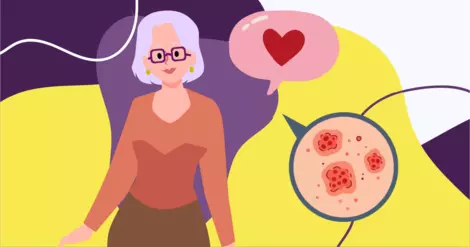
Shingles (also called herpes zoster) is caused by the same virus that causes chickenpox — the varicella-zoster virus. After someone recovers from chickenpox, the virus stays dormant in the body and can reactivate later in life. When it does, it causes shingles.
Shingles leads to a painful rash that can last for weeks, and in some cases, the pain can persist for months or even years. It affects around 1 million people each year in the United States. According to the American Heart Association (AHA), shingles is linked to a higher risk of heart attack and stroke. One 2022 study found that people who had shingles were almost 30 percent more likely to have a cardiovascular event than those who had never had shingles.
The good news is that getting the shingles vaccination may lower your risk. A 2025 study in South Korea looked at more than 1 million people and compared the risk of cardiovascular events between those who got the herpes zoster vaccine and those who didn’t. Those who were vaccinated had fewer major heart-related events over the following eight years. These included:
COVID-19 (coronavirus disease) is a respiratory illness caused by the SARS-CoV-2 virus. In many cases, symptoms are mild or moderate, such as fatigue, sore throat, or cough, and most people recover at home with rest.
However, people with underlying health conditions, including heart disease, are more likely to get severely ill. COVID-19 increases the risk of complications such as heart attack and stroke, partly because it raises the risk of thrombotic events (blood clots).
A large Swedish study found that people with COVID-19 were three to eight times more likely to have a heart attack than those who didn’t have the virus. The risk of stroke was also significantly higher — between three and seven times more likely in people with COVID-19 compared to those without it.
Getting vaccinated helps lower these risks. One study of nearly 2 million people compared those who were fully or partially vaccinated with those who hadn’t received a COVID-19 vaccine. The study found that full and partial COVID-19 vaccination reduced the risk of major cardiovascular events.
In rare instances, the COVID-19 vaccine has been linked to pericarditis (inflammation around the heart) and myocarditis (inflammation of the heart muscle). But because these side effects are uncommon and usually mild, and because the vaccine offers strong protection, the AHA continued to recommend vaccination.
Each year, the flu affects about 1 billion people around the world. This seasonal respiratory illness is caused by influenza viruses and usually leads to symptoms like fever, sore throat, and body aches that can often be managed at home.
However, the flu can be serious. Each year, about 3 to 5 million cases become severe, and 300,000 to 650,000 people die from flu-related complications, according to the World Health Organization (WHO).
Getting a flu shot each year is the best way to protect yourself, according to the WHO, especially if you’re living with heart disease. Research has shown that people with heart disease have a six-times higher risk of heart attack within seven days of coming down with the flu than those without the condition.
Flu vaccine protection fades over time, so getting vaccinated every year is essential. Even though flu vaccines may be somewhat less effective in older adults, they still help prevent serious complications, hospitalizations, and death by reducing how severe the illness gets if you do catch the flu.
Pneumococcal disease is caused by a type of bacteria that can lead to several serious infections. When it affects the lungs, it causes pneumonia. If it spreads to the brain or spinal cord, it causes meningitis. If the infection reaches the bloodstream, it’s called bacteremia.
Symptoms depend on where the infection occurs, but severe cases can cause high fever, breathing problems, and confusion. Pneumococcal pneumonia is one of the most common reasons older adults are hospitalized in the United States.
Meningitis and bacteremia are less common but more dangerous. About 1 in 6 people who get meningitis and 1 in 8 people with bacteremia die from these infections. Survivors can also face long-term complications, such as brain damage.
People with heart disease or other chronic health conditions have a higher risk of pneumococcal infections and serious complications. In rare cases, complications can be fatal.
Vaccination is the most effective way to prevent these infections. Several pneumococcal vaccines are available, and your doctor can help you choose the right one based on your age and health needs. The vaccines are especially recommended for people at higher risk, including those with heart disease.
Respiratory syncytial virus (RSV) is a common virus that affects the upper and lower respiratory systems, including the throat, nasal passages, and lungs. Most people who get RSV experience mild, cold-like symptoms. However, it can become serious, especially for infants, older adults, and people with certain health conditions.
People living with heart disease are more likely to face severe complications from RSV. A study published in the Journal of the American College of Cardiology found that 14 percent to 22 percent of adults hospitalized with RSV had heart-related complications, such as heart failure or worsening of existing heart disease. The same study showed that having heart disease made hospitalization more likely — between 45 percent and 63 percent of people hospitalized with RSV had a history of heart disease.
The American Medical Association (AMA) and other groups recommend that people at high risk of RSV get vaccinated. Specifically, the RSV vaccine is recommended for:
The Tdap vaccine protects against three serious infections:
These infections can cause severe breathing problems and life-threatening complications. Diphtheria, in particular, can lead to heart failure.
Healthcare professionals recommend that everyone 2 months and older get vaccinated against these diseases. There are different vaccine types depending on your age and health needs. The vaccine names use uppercase or lowercase letters to show the strength of each dose:
Here’s how the recommendations break down:
On MyHeartDiseaseTeam, people share their experiences with heart disease, get advice, and find support from others who understand.
Did you get the shingles vaccine, the flu vaccine, or any other vaccines? Let others know in the comments below.
Get updates directly to your inbox.




 Continue with Facebook
Continue with Email
Continue with Facebook
Continue with Email
Continue with Facebook
Continue with Email
Continue with Facebook
Continue with Email
Become a member to get even more





 Join
Join


 Your Privacy Choices

This is a member-feature!
Sign up for free to view article comments.
Very good information, my Doctors and UNITEDHEALTH make sure I get all these shots every year or when I need them .so iam definitely on top .
We'd love to hear from you! Please share your name and email to post and read comments.
You'll also get the latest articles directly to your inbox.