
Powered By



If you’re among the 1 in 3 Americans who has ever had shingles, you may think of it as just a painful skin rash. “Just got over a terrible bout of shingles,” one member of MyHeartDiseaseTeam posted. “It lasted weeks and was absolutely miserable.”
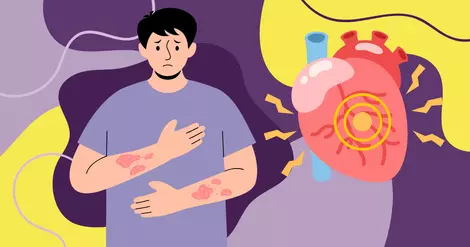
Research now shows that the health effects of shingles are more than skin deep. Shingles has been shown to increase your risk for heart attack, stroke, and other heart-related events. That means that the shingles vaccine not only prevents shingles itself — it also reduces the risk of heart complications related to shingles. If you or a loved one is living with heart disease, here’s what you need to know about the shingles vaccine.
Sign up to view the results!
 Continue with Facebook
Continue with Email
Continue with Facebook
Continue with Email
Shingles is caused by the reactivation of the varicella zoster virus (VZV), the same virus that causes chickenpox. If you were infected earlier in life, the virus stays in your body for years without causing symptoms. Almost all Americans born before the year 1980 were likely infected with VZV during childhood. As you get older, VZV can reactivate and cause shingles, which shows up as a painful rash.

Shingles can affect more than just your skin. Research shows that people who’ve had shingles have a higher risk for heart attack and stroke for 12 or more years after their shingles episode. This risk is highest in the first year after infection. In the year following a shingles infection, people were 30 percent more likely to have a major cardiovascular event.
Studies suggest that getting vaccinated against shingles may lower your risk of heart-related complications. A 2025 study from South Korea found that people ages 50 and older who received the shingles vaccine had a 23 percent lower risk of cardiovascular events, such as a heart attack or stroke.
This study focused on people who had received the live version of the shingles vaccine (Zostavax). This vaccine uses a live form of the virus. This vaccine is no longer offered in the United States.
Another study that looked at people who received the updated shingles vaccine (Shingrix) also found heart benefits. People who received at least one dose of the vaccine were 18 percent less likely to have a heart attack than those who had shingles and were unvaccinated. Shingrix is not a live vaccine. It is currently the only shingles vaccine available in the United States.
Much of the research on the benefits of the shingles vaccine was done when the older, live vaccine was still in use. That’s why many studies focus on that version.
The American College of Cardiology recommends that adults 50 and older get the Shingrix vaccine. It is given as two doses, given two to six months apart. It’s also recommended for people 19 and older with weakened immune systems.
Ask your cardiologist or primary care doctor before scheduling your shingles vaccine. The main reasons they may ask you to wait include:
People who’ve already had shingles or received the older version of the vaccine are still eligible to receive the Shingrix vaccine.
“Shingles is a very, very painful condition,” explained one MyHeartDisease member. “You should certainly follow your doctor’s advice, but if you have ever had chickenpox, then you need the vaccine!”
Like many vaccines, the shingles vaccine can cause mild side effects. “I got my Shingles vax last night, and it’s made me feel ill,” said one member. These side effects usually go away within a couple of days and are much less severe than having shingles.
Common side effects include:
Be sure to drink plenty of fluids, rest, and monitor your side effects. Seek medical care right away if you have signs of an allergic reaction, such as trouble breathing or facial swelling.
“I’ve already had shingles. Do I need the vaccine?” asked one member of MyHeartDiseaseTeam. Many people think that once they’ve had shingles, they’re immune for life. This is a myth. The virus can reactivate more than once, and the risk increases with age.
You can get the shingles vaccines at any point after a shingles infection has fully healed. Ask your doctor about the right timing. Vaccination can help lower your risk of having shingles again. It can also help lower the chance of heart complications after another episode. You can get the new Shingrix vaccine even if you received the Zostavax vaccine in the past. This is because Shingrix is more effective than Zostavax.
If you have heart disease, every preventive step matters. Getting the shingles vaccine may not only protect you from a painful illness but also reduce your chances of future heart events.
Bring up the shingles vaccine at your next doctor’s visit. Your doctor can help you decide whether now is the right time. They can also explain how the vaccine fits with your other medications or treatments.
Shingles can affect more than your nerves. It can also affect your heart. The shingles vaccine offers strong protection against the disease and may reduce the risk of heart-related complications.
If you’re living with heart disease, talk to your doctor about adding the shingles vaccine to your preventive care plan.
On MyHeartDiseaseTeam, people share their experiences with heart disease, get advice, and find support from others who understand.
Have you received the shingles vaccine? Let others know in the comments below.
Get updates directly to your inbox.


I just had a defibrillator place, is the vaccine recommended for me???


 Continue with Facebook
Continue with Email
Continue with Facebook
Continue with Email
Continue with Facebook
Continue with Email
Continue with Facebook
Continue with Email
Become a member to get even more





 Join
Join

 Your Privacy Choices

This is a member-feature!
Sign up for free to view article comments.
This is absolute crap. The Shingles vaccine is a farce. I had shingles badly years ago. I also had an MI and bypass surgery. I was advised to get the shingles vaccine which I did (foolishly)… read more
We'd love to hear from you! Please share your name and email to post and read comments.
You'll also get the latest articles directly to your inbox.