
Powered By



Shingles (herpes zoster) is known as a painful rash, but a lot of people don’t realize that having shingles can raise your risk of having a stroke for up to a year. If you’ve had shingles, understanding how that affects your risk for other conditions can help you and your doctor look for warning signs. If you’ve never had shingles, getting the shingles vaccine can help ensure you don’t have an elevated stroke risk.
Here are four facts you should know about shingles, stroke risk, and how to take the best care of your heart health.
Sign up to view the results!
 Continue with Facebook
Continue with Email
Continue with Facebook
Continue with Email
About one-third of people will have shingles sometime over the course of their life. This painful rash can develop in anyone who has previously been diagnosed with chickenpox, even if that happened many years ago. The virus can lie dormant and reactivate later in life.

People who had shingles were 38 percent more likely to have a stroke than those who hadn’t had shingles.
Shingles increases the risk of having a stroke within a year after the infection, especially if you’re under 40 years old and haven’t had a shingles vaccine when you get infected. In fact, people who had shingles were 38 percent more likely to have a stroke than those who hadn’t had shingles. Shingles also raises a person’s chances of dealing with heart disease, including having a heart attack.
Researchers believe this has to do with exosomes, tiny membrane-bound sacs that cells release to send messages to other cells. They carry small amounts of proteins and genetic material, helping cells communicate and influence each other’s actions.
In people who have had shingles, exosomes may be the cause of inflammation and blood clots that can result in a stroke and other complications. Researchers are doing more work to understand this connection and figure out what can be done to prevent complications in people who have been diagnosed with shingles. It’s important to note that shingles is only one risk factor for stroke, and having shingles isn’t a guarantee that you will have a stroke.
Getting a shingles vaccine may help lower your risk of stroke and other cardiovascular complications associated with shingles. In one study, people over the age of 50 who got a shingles vaccine had a 25 percent lower risk of both stroke and heart attack than those who didn’t get vaccinated.
It’s important to note that some of this research evaluated a live version of the vaccine called Zostavax. In the U.S., the live vaccine for shingles was discontinued in 2020. Now, there’s a different version that people can get called Shingrix. Shingrix has also been found to lower your risk for stroke and heart attack.
Getting the shingles vaccine is an important step to protect your heart health. There are other vaccines that are especially beneficial for people with heart disease. Your cardiologist or another healthcare provider can help you understand which immunizations you might want to receive.
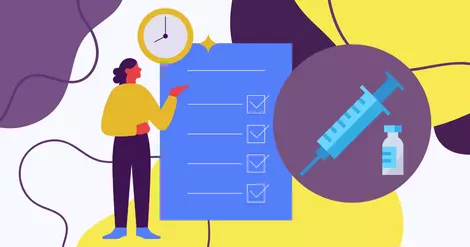
As long as you qualify for it, getting a vaccine for shingles to protect your heart and your brain is usually pretty easy. If you’re 50 years of age or older, it’s recommended you get two shingles vaccines separated by two to six months.
If you have a weakened immune system, you can get the vaccine starting at age 19.
You should get vaccinated even if you’ve had shingles before. You should also be vaccinated if you had the old Zostavax vaccine. There aren’t any boosters for the shingles vaccine, so it’s just two shots and then you’re done.
Getting stroke treatment fast can limit the number of long-term complications you have. It might even save your life.
You shouldn’t get the shingles vaccine if you’ve never had chickenpox, are pregnant or nursing, or have had a serious allergic reaction to the vaccine in the past.
Most people tolerate the shingles vaccine pretty well. You might experience flu-like symptoms, including fever, headache, tiredness, nausea, and vomiting, after you get vaccinated. Your arm might feel sore and become discolored or swollen where you got the shot.
If you’ve been diagnosed with shingles anytime in the last year, it’s important to know what a stroke looks and feels like. That way, you can get emergency medical care if you have one.
You can use the word FAST to remember what to look for when it comes to a stroke.
There are other symptoms that can mean a person is having a stroke. They might have a very bad headache without a cause you can pinpoint, or they might start to have trouble seeing or walking. Some might get confused, like they can’t understand or produce words. Others might have numbness, which is likely to occur only on one side of the body. You should also call 911 if you see these signs.
Getting stroke treatment fast can limit the number of long-term complications you have. It might even save your life. If you suspect someone is experiencing a stroke, it’s better to call and get medical help than to wait and see what happens.
On MyHeartDiseaseTeam, people share their experiences with heart disease, get advice, and find support from others who understand.
How have you experienced the connection between shingles and stroke? Let others know in the comments below.
Get updates directly to your inbox.



 Continue with Facebook
Continue with Email
Continue with Facebook
Continue with Email
Continue with Facebook
Continue with Email
Continue with Facebook
Continue with Email
Become a member to get even more





 Join
Join


 Your Privacy Choices

This is a member-feature!
Sign up for free to view article comments.
I've never had chickenpox, measles, or mumps, nor have I had the common cold flu,or pneumonia and none of the covids. My cardiologist said I have a natural immunity to diseases and unless I catch… read more
We'd love to hear from you! Please share your name and email to post and read comments.
You'll also get the latest articles directly to your inbox.