
Powered By



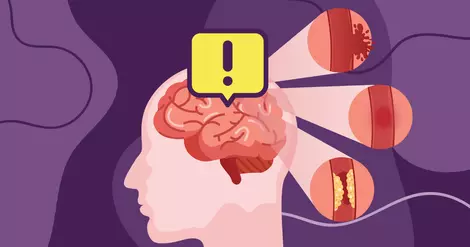
You may know that the shingles vaccine will protect you against shingles, but you might not have heard that the shingles vaccine also reduces your risk of heart attack, stroke, and other life-threatening complications. If you have heart disease, you also have a higher risk of developing a shingles infection. Getting vaccinated against shingles is good for your heart and overall health, and it’s important to know when and how often you may need to get the shingles vaccine.
Sign up to view the results!
 Continue with Facebook
Continue with Email
Continue with Facebook
Continue with Email
“I got the shingles vaccine in 2021. I heard a lot of horror stories about people suffering from shingles, so my husband and I got the shots,” a MyHeartDiseaseTeam member wrote.
Shingles is an infection of the nerves that typically causes a painful rash and other flu-like symptoms. It’s caused by the varicella-zoster virus (VZV), also known as the herpes-zoster virus. It’s the same virus that causes chickenpox. The virus stays in the body after chickenpox clears up, but can reactivate later in life and cause shingles. Along with cardiovascular disease, shingles can cause other serious complications, including ongoing nerve pain known as postherpetic neuralgia.
Here’s more on when you should get the shingles vaccination, and how often.
The shingles vaccine is recommended for all healthy adults who are 50 years of age or older. The vaccine is given as two shots. The second shot is usually given 2 to 6 months after the first shot. Some people who are immunocompromised (have a weakened immune system) are advised to get the shingles vaccine at age 19 or older. In that case, the second dose can be given 1 to 2 months later.
The only shingles vaccine currently available in the U.S. is the Shingrix vaccine. The Shingrix vaccine is significantly more effective than Zostavax, the previous shingles vaccine. People who were vaccinated in the past with the Zostavax vaccine are advised by medical experts to get the Shingrix vaccine. You should also get the shingles vaccine if you’ve had shingles because you can get shingles more than once.
“Tomorrow, I will go to get my shingles vaccine. I had one before, but the doctor said this new one is much better,” a MyHeartDiseaseTeam member shared.

Currently, the shingles vaccine is covered by insurance for people with Medicare Part D or Medicaid. Many private health insurance policies also cover the costs of the shingles vaccine.
People who are pregnant or allergic to any of the ingredients in the shingles vaccine should avoid it.
The two doses of the shingles vaccine are effective in older adults for as long as 10 years or more. Most older adults only need to have the two-dose vaccination once. As of now, there’s no shingles booster, but that could change in the future. It’s important to talk to your doctor about your health factors and if there’s any reason for you to be vaccinated again, if you’ve already had the Shingrix vaccine.
The shingles vaccine protects the heart by reducing inflammation in the body. Cardiovascular disease is partly caused by inflammation in the arteries within the heart. In one very large study in Korea, people who had the shingles vaccine had a 25 percent lower risk of heart disease, such as heart failure, irregular heartbeat, heart attack, and angina (chest pain).
Not only that, but people who’ve had shingles have been found to have an increased risk of cardiovascular events. Some research has indicated that people who had a history of shingles had a 25 percent higher risk of heart attack and other heart problems related to coronary heart disease. The risk of stroke is 38 percent higher in people who haven’t been vaccinated against shingles.
The shingles vaccine can cause temporary side effects, such as fatigue, headache, fever, and soreness at the injection site. If you haven’t been vaccinated against shingles, talk to your healthcare provider about the benefits of the shingles vaccine and how it can help protect your heart.
“I got my first shingles vaccine today, and I am feeling pretty tired tonight, and of course, my arm is sore. I am thankful that I could finally get this. Shingles are not fun, and the vaccine is certainly better. Anyway, taking it easy and early to bed tonight,” a MyHeartDiseaseTeam member commented.
On MyHeartDiseaseTeam, people share their experiences with heart disease, get advice, and find support from others who understand.
When did you have the shingles vaccine? Let others know in the comments below.
Get updates directly to your inbox.




 Continue with Facebook
Continue with Email
Continue with Facebook
Continue with Email
Continue with Facebook
Continue with Email
Continue with Facebook
Continue with Email
Become a member to get even more





 Join
Join

 Your Privacy Choices

This is a member-feature!
Sign up for free to view article comments.
I saw Liah's comment about DR Ahonsie medication concerning Herpes. I tried it and it worked perfectly. It was like hell living with Herpes all this years until now, no more pains, weakness, and no… read more
We'd love to hear from you! Please share your name and email to post and read comments.
You'll also get the latest articles directly to your inbox.