
Powered By



Shingles is a viral infection caused by the varicella-zoster virus — the same virus that causes chickenpox. Shingles can appear in people who’ve had chickenpox or, less commonly, those who got the varicella (chickenpox) vaccine. After infection or vaccination, the virus stays dormant (inactive) in the body’s nerves. However, it can reactivate later in life and cause shingles.
Sign up to view the results!
 Continue with Facebook
Continue with Email
Continue with Facebook
Continue with Email
Shingles is different from chickenpox. Shingles has specific symptoms to look for, and recognizing them gives you the best chance for a smoother recovery.
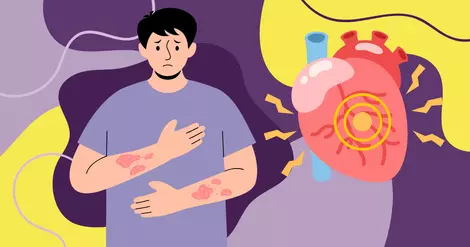
If you’re living with heart disease, it’s important to protect yourself from shingles. The infection raises the risk of heart attack and stroke, especially in the first few weeks. The risk then drops over about six months. The Shingrix vaccine — the only shingles vaccine available in the U.S. — can prevent disease in up to 97 percent of people, depending on age and immune health. If you do get shingles, early treatment can help prevent nerve damage and other serious complications.
Below are the key symptoms of shingles. Be sure to talk with your doctor if you notice any of them.
Shingles often begins with nerve pain that feels like tingling, itchy, or burning in a certain area of the skin, which may also look discolored or feel numb. The affected area is usually extremely sensitive to touch, and you may feel intense shooting pain. Sometimes, shingles causes nerve pain that may seem like it’s coming from the kidneys, heart, or lungs.

“I found out yesterday I have shingles — oh my,” a MyHeartDiseaseTeam member wrote. “If you never had shingles, I pray you never experience it, because it’s very painful.”
Another member shared, “It started as chest pain (like angina pain) on my right side, then waking up as if I had a sunburn on my right shoulder blade. The nerve pain goes through my chest and out my back. A few days later, the bumpy rash appeared on my right shoulder blade.”
A rash with raised bumps or blisters usually appears a few days after the initial nerve pain. Although the rash can occur anywhere, it most often shows up on one side of the torso — around the waist, chest, back, or abdomen — and can also affect the face or neck.
The rash typically appears on just one side of the body because it follows the path of a particular nerve (called a dermatome). This is why the infection often shows up as a band or stripe of bumps or fluid-filled blisters.
“Woke up yesterday in pain with a rash around my middle. Apparently, I have got shingles — painful and sore,” a MyHeartDiseaseTeam member said.
In rare cases, shingles can appear on both sides of the body. This more serious form, called disseminated zoster, requires urgent medical care, especially in people with weakened immune systems.
The fluid from shingles blisters can spread the varicella-zoster virus through direct contact. However, this is only contagious to people who’ve never had chickenpox or the chickenpox vaccine — meaning they aren’t immune. In those cases, exposure can cause chickenpox, not shingles.
People with shingles aren’t contagious before blisters appear and then after the rash crusts over. Covering the rash and avoiding direct contact with others helps lower the risk of transmission.
Some people with shingles don’t get a rash. If you do, it will typically dry out and form scabs after about 10 days.
About 20 percent of shingles cases affect nerves in the head, including the scalp and face. When this happens, there’s a risk that shingles may develop in or around the eye — including the eyelid, the surface of the eye, or deeper inside. This is called herpes zoster ophthalmicus, which can be serious and lead to permanent vision loss or blindness. Symptoms include eye pain and redness, fluid buildup, and sensitivity to light.
Shingles can also affect the ear, a condition called Ramsay Hunt syndrome. Symptoms include a rash or pain in or around one ear. Facial paralysis, hearing loss, tinnitus (ringing in the ears), vertigo (dizziness), and changes in taste or loss of taste can also occur.
One MyHeartDiseaseTeam member shared, “I’m dealing with the aftereffects of facial shingles and am so miserable! The left side of the head is affected, including the ear and jaw/teeth, and the ear is the worst — lost 50 percent of hearing for a while, but that cleared up. This neuralgia could last weeks or months!”
Shingles can cause flu-like symptoms such as fever, chills, headache, and sometimes nausea. Many people also feel tired and generally unwell as the immune system works to fight the infection.
“Feeling pretty wiped out today — trying to recover from shingles,” a MyHeartDiseaseTeam member shared.
Even after the rash and other symptoms go away, some people continue to have severe pain and discomfort due to nerve damage. The most common complication of shingles is postherpetic neuralgia (PHN), which can cause lasting problems. Along with nerve pain, PHN causes ongoing problems in areas affected by a shingles rash, such as itchy, numb, or sensitive areas of skin.
“I had shingles twice last year, and it left my leg a scarred and numb mess,” one MyHeartDiseaseTeam member wrote.
You’re more likely to develop PHN if you:
In rare cases, shingles can lead to brain inflammation, with or without a shingles rash. This serious complication is called herpes zoster encephalitis or varicella zoster virus encephalitis. Symptoms include headache, fever, seizures, sensory changes, confusion, or changes in memory and thinking. Some people also have muscle weakness or spasms.
“Three years ago, my husband contracted shingles on his forehead. It went to his brain, and he developed encephalitis of the brain — wiped out his short-term memory,” a MyHeartDiseaseTeam member shared.
Shingles is most common among older adults and people with weakened immune systems. If you’ve had chickenpox — or aren’t sure — talk with your doctor about your risk of shingles and whether vaccination could help protect you, particularly if you’re living with heart disease.
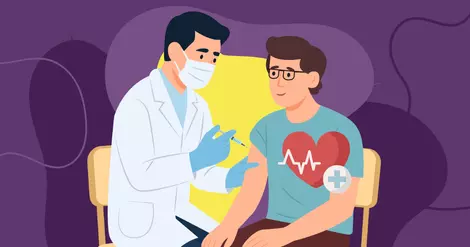
The shingles vaccine is generally recommended for everyone over 50 and those with weakened immune systems, even for people who have already had shingles or received an older version of the shingles vaccine. If you’ve never had chickenpox, your doctor may recommend the chickenpox vaccine instead.
The shingles vaccine is the best way to prevent shingles. If you develop any signs of shingles, contact your healthcare provider right away. Prompt treatment with antiviral medication and other therapies can relieve early symptoms and help reduce the risk of long-term nerve damage.
On MyHeartDiseaseTeam, people share their experiences with heart disease, get advice, and find support from others who understand.
Have you had shingles? Let others know in the comments below.
Get updates directly to your inbox.



 Continue with Facebook
Continue with Email
Continue with Facebook
Continue with Email
Continue with Facebook
Continue with Email
Continue with Facebook
Continue with Email
Become a member to get even more





 Join
Join


 Your Privacy Choices

This is a member-feature!
Sign up for free to view article comments.
I have shingles right now but it’s a mild case because I had the original vaccine about 10 years ago. It is still painful but more mild because of the vaccine. So I am here to urge everyone to get… read more
We'd love to hear from you! Please share your name and email to post and read comments.
You'll also get the latest articles directly to your inbox.