
Powered By



 Continue with Facebook
Continue with Email
Continue with Facebook
Continue with Email
Living with heart disease often means managing a range of symptoms on a regular basis. Some symptoms are common, like chest pain or breathing problems. Others are less common, and it can be hard to tell what’s causing them.
Even if you’ve already been diagnosed with some type of heart disease, it can be hard to know if certain symptoms are related to your heart condition, lifestyle changes you’ve made since your diagnosis, or other factors. Here are some unexpected symptoms of heart disease, so you can watch for them.
While fatigue is a fairly common symptom of heart disease, it’s on this list because so many other conditions can also cause fatigue. Many people overlook the connection between excessive tiredness and heart problems. In one study, more than 70 percent of women who had heart attacks reported significant fatigue in the months beforehand. If you’re regularly fatigued beyond what’s normal for you, talk to your healthcare provider about your concerns. Fatigue may indicate that your heart isn’t pumping enough blood to your lungs or to the rest of your body.
Jaw pain can mean that your heart muscle isn’t getting enough blood. Some people experience this as pain that feels like a toothache. One member of MyHeartDiseaseTeam who felt this said, “My heart attacks start as a severe severe jaw ache. … Anyone else?”
Women are more likely to experience this pain before a heart attack than men, according to the Heart Foundation. If you have jaw pain and you don’t think there’s a problem with your teeth, it may be time to have a doctor assess your heart health.
Dizziness, or feeling lightheaded, is another symptom that can have a lot of common causes. One cause is an unusual heart rhythm. Some people living with heart disease experience dizziness regularly, like one member who explained, “Having heart problems and it’s an everyday thing, every moment of a dizzy spell.”
Because the penis is an organ that requires good blood flow to function properly, erectile dysfunction can indicate a problem with your heart. In fact, problems with erections can be an early warning sign of heart disease.
The vagina and clitoris also require good blood flow to work well. When blood isn’t flowing easily, you may experience vaginal dryness or a lack of sensation in the clitoris. While vaginal dryness is more likely a complication of menopause, it can also be tied to cardiovascular disease.
Problems in the bedroom can indicate heart disease. If the walls inside the blood vessels that allow for an erection are damaged, it could mean the arteries that supply the heart muscle are damaged as well. However, most young people with this type of sexual issue have good heart health, and the problem may not be related to heart disease. It’s important to share these symptoms with your cardiologist, so they can help you find the cause.
If you start sweating out of the blue or at times when you usually wouldn’t, it can indicate a heart attack. It’s more likely that you’ll experience sweating alongside other heart attack symptoms, like shortness of breath or pain in the arms, neck, or chest. However, sweating for no clear reason can be a sign of a medical emergency. Call 911 or get emergency care right away.
Nausea and vomiting are both symptoms that can have a lot of explanations. If you experience nausea or heartburn regularly and can’t figure out why, it’s time to have your heart checked. “My strongest symptoms of heart failure are shortness of breath and fatigue, sometimes nausea,” one member of MyHeartDiseaseTeam shared.
Blood and fluids building up in your body because of heart failure can cause nausea. According to the American Heart Association, nausea and vomiting can also be an early warning sign of a heart attack, especially in women. If you experience nausea alongside other symptoms of a heart attack, get emergency medical help right away.
Various conditions can cause swelling in your legs and ankles. Heart failure is one of them. When a weakened heart doesn’t pump blood efficiently, it can back up in the veins and cause fluid buildup.
Swollen legs are a sign your cardiology team should check for heart disease. In some cases, leg swelling can cause leg pain and interfere with maintaining a healthy lifestyle. As one member said, “My feet and legs swelling is making it hard for me to get my walk in. I wish something would help stop the swelling.”
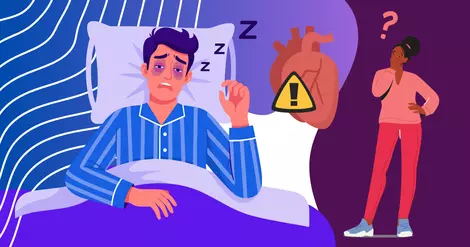
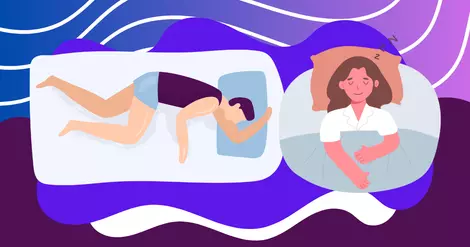
Sleep apnea doesn’t always indicate heart problems, but it can cause them. Because you stop breathing several times a night with sleep apnea, it can put stress on your body, including on your heart. Sleep apnea is also related to metabolic syndrome, which is associated with a risk for heart disease.
Members of MyHeartDiseaseTeam see the connections between these conditions in their own lives. One explained, “I have been treating obstructive sleep apnea for years, but lately, it seems the apneas and arrhythmias are correlating.”
If you think you have sleep apnea, talk to your doctor. They may have sleep apnea solutions that can help.
If your legs, particularly your calves, cramp when you walk, it could be a sign of a heart condition. Note that this pain usually stops when you stop your physical activity and your heart rate goes back down. This symptom most often indicates peripheral vascular disease and may point to a buildup of plaque in blood vessels.
If you have a cough that won’t go away and doesn’t seem to have a cause, ask your doctor about heart disease. When your heart isn’t pumping well, fluid can build up in your lungs. This fluid buildup can make you cough. As one member of MyHeartDiseaseTeam put it, “I have heart disease and have a dry cough that I can’t get rid of.”
On MyHeartDiseaseTeam, people share their experiences with heart disease, get advice, and find support from others who understand.
What unexpected signs of heart disease have you had? Let others know in the comments below.
Get updates directly to your inbox.


I was diagnosed with diastolic distinction wanting if anyone in the group has experienced this disease? And how are they dealing with it?


 Continue with Facebook
Continue with Email
Continue with Facebook
Continue with Email
Continue with Facebook
Continue with Email
Continue with Facebook
Continue with Email
Become a member to get even more





 Join
Join

 Your Privacy Choices

This is a member-feature!
Sign up for free to view article comments.
Prior to being diagnosed with heart disease, I would get bruises on my body for unknown reasons. I think that is a symptom of heart disease. By the time I saw my doctor at the next appointment the… read more
We'd love to hear from you! Please share your name and email to post and read comments.
You'll also get the latest articles directly to your inbox.