
Powered By



 Continue with Facebook
Continue with Email
Continue with Facebook
Continue with Email
MyHeartDiseaseTeam members often share tips for managing sleep apnea and heart health. Learning from others may help you improve your sleep, boost your energy, and support your overall health. But first, it’s important to understand why managing sleep apnea is especially important for people with heart disease.
The most common type of sleep apnea, obstructive sleep apnea (OSA), occurs when muscles in the throat relax during sleep and block the airway. This causes breathing to repeatedly stop and start throughout the night. Common symptoms of sleep apnea include loud snoring, interrupted sleep, daytime sleepiness, and shortness of breath.
Sleep apnea doesn’t just affect sleep quality. Untreated sleep apnea can lead to serious health problems, including heart failure, stroke, atrial fibrillation (AFib), high blood pressure, diabetes, and kidney disease.
One MyHeartDiseaseTeam member shared, “If you’ve ever awakened while gasping for breath, have a sleep study done. It could save your life!”
Below are seven tips for living with sleep apnea, shared by others who understand.
It’s not uncommon for a partner or loved one to notice sleep apnea symptoms first. As one MyHeartDiseaseTeam member shared, “I’ve had sleep apnea for years. My hubby used to poke me in the back when I was gasping for air in the middle of the night.”
Even with common symptoms, getting an accurate diagnosis is essential so your healthcare provider can recommend an effective treatment plan. Sleep apnea is typically diagnosed with a sleep study, either at home or at a sleep medicine center.
Members shared their experiences:
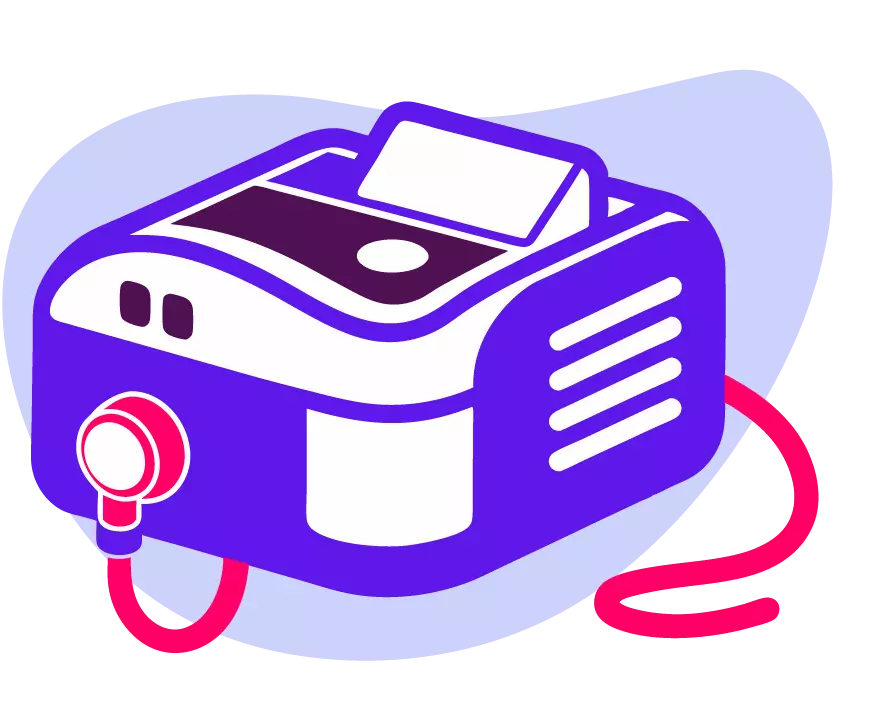 A continuous positive airway pressure (CPAP) machine is the most common treatment for sleep apnea. It delivers steady air pressure to keep the airway open during sleep.
CPAP machines come in many styles, and some include features like humidifiers and adjustable pressure settings. CPAP masks also come in different styles and sizes. Finding the right fit can make a big difference. While CPAP therapy can take some getting used to, many people report better sleep once they adjust.
Members shared their experiences:


Bilevel positive airway pressure (BiPAP) therapy is similar to CPAP but delivers two different airflow pressures: one when you breathe in and one when you breathe out. Your healthcare provider might recommend a BiPAP machine if CPAP feels uncomfortable or you need more air pressure.
Members shared their experiences:
If CPAP and BiPAP aren’t a good fit for you, other treatment options may help.
 Oral appliances are custom-made mouthpieces that move the lower jaw or tongue forward to keep the airway open. Hypoglossal nerve stimulation (Inspire) is a small, implanted device that helps prevent the tongue from blocking the airway during sleep. Automatic positive airway pressure (APAP) works like CPAP therapy but automatically adjusts air pressure throughout the night.
A sleep medicine specialist can talk to you about these options and others.
Members shared their experiences:
In some cases, surgery on the nose, jaw, or soft tissues can help. Your healthcare provider can guide you through the risks and benefits of surgical options, helping you find the path that’s best for you.
Certain lifestyle changes can help reduce sleep apnea symptoms. Having a higher body weight, for example, increases the risk of sleep apnea. Sometimes, losing even a small amount of weight can help. If weight loss is part of your treatment plan, work with your healthcare provider to find a safe and realistic approach.
Members shared their experiences:
Other helpful lifestyle changes include getting regular physical activity, adjusting your sleep position, quitting smoking, and avoiding alcohol before bedtime.
 Good sleep habits, also called sleep hygiene, can contribute to healthy sleep. Going to bed and waking up around the same time each day helps your body know when it’s time to rest. This can make falling asleep and staying asleep easier.
Members shared their experiences:
Other helpful sleep habits include limiting screen time before bed, creating a relaxing bedtime routine, and ensuring your bedroom is quiet and comfortable.

Finding the right sleep apnea treatment can take time. Many people try different CPAP masks, machines, and lifestyle changes before finding what works for them. The most important thing is not to give up. Treating sleep apnea can protect your heart and support your long-term health.
As one MyHeartDiseaseTeam member shared, “My doctor thinks sleep apnea may have contributed to my heart condition.”
Members shared their experiences:
To talk about these tips or explore other options, schedule a visit with your healthcare provider or a sleep specialist.
On MyHeartDiseaseTeam, people share their experiences with heart disease, get advice, and find support from others who understand.
What tips do you have for living with sleep apnea? Let others know in the comments below.
Get updates directly to your inbox.




 Continue with Facebook
Continue with Email
Continue with Facebook
Continue with Email
Continue with Facebook
Continue with Email
Continue with Facebook
Continue with Email
Become a member to get even more





 Join
Join

 Your Privacy Choices

This is a member-feature!
Sign up for free to view article comments.
7 Tips for Living With Sleep Apnea: Advice From MyHeartDiseaseTeam Members....Great Article
We'd love to hear from you! Please share your name and email to post and read comments.
You'll also get the latest articles directly to your inbox.