
Powered By



 Continue with Facebook
Continue with Email
Continue with Facebook
Continue with Email
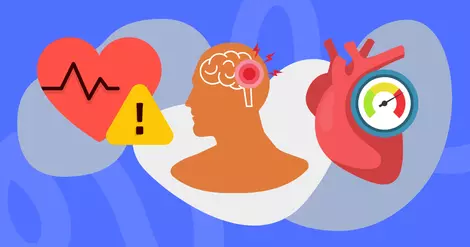
If you snore loudly, gasp for air at night, or struggle with fatigue during the day, you might be wondering if these symptoms are related to heart disease. In fact, these are common signs of sleep apnea, and many people with heart disease have this sleep disorder.
Many MyHeartDiseaseTeam members live with both conditions and want to understand how sleep apnea impacts their heart health. One team member wrote, “I have a list of other conditions, including sleep apnea. All of them are treated, but it makes life just a little more of a challenge some days.”
This article will help explain the link between sleep apnea and heart disease, why the connection matters, and the steps you can take to protect your heart.
Sleep apnea is a common problem that affects over 900 million adults in the world. Even though it’s a common problem, it can be serious because it causes you to occasionally stop breathing while you sleep. The three major types of sleep apnea are:

While each type of sleep apnea is unique and caused by different things, the symptoms of sleep apnea are similar among all three types. The major symptoms include:
Sleep apnea doesn’t just disrupt sleep — it puts real strain on the heart. When breathing repeatedly stops overnight, it triggers drops in oxygen, blood pressure spikes, and stress responses that can harm the cardiovascular system (heart and blood vessels). Here are some ways those changes can increase the risk of heart problems.
Your body needs oxygen to work properly. If you have sleep apnea and stop breathing while you sleep, the oxygen levels in your body can fall. Your body senses that oxygen is low (hypoxia) and starts releasing stress hormones that raise your heart rate and blood pressure to try to get more oxygen. Over time, this puts stress on your entire cardiovascular system.
When your body experiences intermittent hypoxia, it becomes stressed and releases molecules called cytokines. These are immune system proteins that create a lot of inflammation in the body. Cytokines can cause so much inflammation that it damages your blood vessels over time, which makes it even harder for your heart to beat properly.
Every sleep apnea event causes spikes in blood pressure. This is because loss of oxygen causes the heart to work harder to get more. If sleep apnea continues for a long time, it can cause damage to the cardiovascular system that leads to hypertension (high blood pressure) while awake as well as while asleep.
The repeated nighttime stress of intermittent hypoxia with sleep apnea causes the heart to work harder. When your heart works too hard, it increases the risk of structural damage and arrhythmias (irregular heartbeats).
Sleep apnea is linked to several forms of heart and blood vessel disease. Understanding these connections can help explain why untreated sleep apnea raises cardiovascular risks. Here, we have a closer look at the major conditions most commonly associated with sleep apnea.
Sleep apnea is strongly associated with hypertension. Researchers have found that 36.2 percent of people living with OSA have high blood pressure. Resistant hypertension — blood pressure that stays high despite taking medications to control it — is common in people with sleep apnea.
Atrial fibrillation (AFib) is an irregular heartbeat, meaning your heart isn’t efficiently pumping blood. Sleep apnea increases the risk of AFib by causing oxygen drops and sudden increases in blood pressure at night. People living with sleep apnea are two to four times more likely to have AFib. AFib is a serious condition that can increase your chance of blood clots, but it can be helped by certain sleeping techniques and positions.
OSA is linked to a higher risk of myocardial infarction (heart attack). Both young people and older adults with sleep apnea are significantly more likely to experience a heart attack than those who don’t have sleep apnea. This is because repeated inflammatory cycles and blood pressure spikes can cause plaque (fatty deposits) to build up in the blood vessels. This strains the heart and can lead to heart attacks.
Both OSA and CSA are common in people with heart failure (when the heart can’t pump enough blood to meet the body’s needs). From 11 percent to 38 percent of people with OSA also have heart failure, and from 28 percent to 82 percent of people with CSA have heart failure. Sleep apnea can worsen the symptoms of heart failure by increasing the workload of your heart overnight.
Sleep apnea, and particularly OSA, can lead to a significantly increased risk of stroke (when blood stops flowing to the brain). This can happen because of the vascular stress and increased chances of clotting caused by sleep apnea.
Sleep apnea doesn’t just increase the risk of developing heart disease. It can also make existing heart conditions harder to manage. When your breathing repeatedly stops during the night, your body experiences frequent drops in oxygen and sudden surges in heart rate and blood pressure. These stress responses can carry over into the daytime, making it harder to control both your blood pressure and blood sugar. This can add an additional challenge to people with diabetes, who already have an increased risk of cardiovascular problems.
The poor sleep quality caused by sleep apnea can also take a toll. You may feel fatigued, short of breath, or start feeling an irregular heartbeat. Over time, these symptoms can speed up the progression of hypertension, AFib, and heart failure. It can also lower the effectiveness of certain treatments, including medicines aimed at restoring normal heart rhythm. Getting evaluated and treated for sleep apnea is an important step in managing heart disease more effectively and improving your overall health.
Treating sleep apnea is one of the most effective ways to protect your heart and improve your overall health. Research shows that treating sleep apnea can actually make many heart symptoms go away entirely. There are several treatment options that can help with sleep apnea.
Continuous positive airway pressure (CPAP) is the most effective treatment for OSA. This treatment works by preventing airway collapse by providing a continuous supply of air. The benefits of CPAP treatment include:
Small, sustainable lifestyle changes can make a big difference in treating sleep apnea. These changes can include:
Making these lifestyle changes can reduce sleep apnea severity and help support your overall heart health.
Some people with sleep apnea may benefit from other treatment options. These include:
Talk to your doctor if you think you’re having symptoms of sleep apnea, like snoring, gasping, morning headaches, or excessive tiredness. Sleep studies are available both in a lab and at home to help you get a diagnosis. It’s critical that you get an accurate diagnosis so you can be placed on the best possible treatment plan.
On MyHeartDiseaseTeam, people share their experiences with heart disease, get advice, and find support from others who understand.
How has treating (or discovering) your sleep apnea affected your heart health? Share your experience in the comments below.
Get updates directly to your inbox.


 Continue with Facebook
Continue with Email
Continue with Facebook
Continue with Email
Continue with Facebook
Continue with Email
Continue with Facebook
Continue with Email
Become a member to get even more





 Join
Join

 Your Privacy Choices

This is a member-feature!
Sign up for free to view article comments.
I had my first heart attack almost two years ago. I honestly thought it was do to me smoking all those years and that probably did have something to do with it BUT, they wanted me to get a sleep test… read more
We'd love to hear from you! Please share your name and email to post and read comments.
You'll also get the latest articles directly to your inbox.