
Powered By



 Continue with Facebook
Continue with Email
Continue with Facebook
Continue with Email
If you had chickenpox as a kid, the varicella-zoster virus is still in your body. This virus can stay asleep (dormant) in your body for decades. If the virus wakes up and becomes active again, it causes an adult version of the disease known as shingles (also called herpes zoster).
Having shingles isn’t just unpleasant. It can lead to long-lasting complications. Here’s what you should know about the vaccine that can help you avoid it.
Sign up to view the results!
Continue with Facebook
Continue with Email
Shingles usually starts with pain, burning, tingling, itching, or skin sensitivity. A few days later, a painful shingles rash with fluid-filled blisters often appears.
Shingles symptoms typically affect one side of the torso or face. Some people also develop fever, headache, fatigue, or sensitivity to bright lights along with the rash.
Symptoms usually resolve within six weeks. But shingles pain and other complications can last much longer.
 Possible Complications
The most common long-term complication of shingles is postherpetic neuralgia (PHN). PHN is a type of long-term nerve pain that continues after the rash disappears. It can last for months or sometimes years.
PHN may interfere with sleep, work, exercise, and other everyday activities. The risk of PHN increases with age.
Shingles can also cause other complications. If the rash affects the eye, it can lead to vision problems or, in severe cases, blindness. Shingles affecting the ear or facial nerves can cause hearing loss or facial weakness.
In some cases, a shingles infection can cause skin infections, brain inflammation, or other serious problems.
Age Impacts Your RiskAge is one of the biggest risk factors for shingles. As we get older, our immune systems become less effective at keeping the virus under control. If you have a weakened immune system because of certain diseases or medications, your risk of shingles is higher.
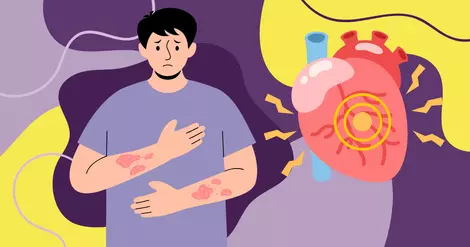
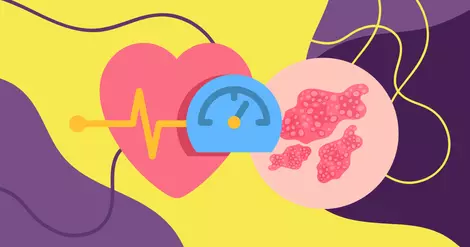
Connections to Heart DiseaseIn addition, there’s a link between shingles and an increased risk of heart attack and stroke. Getting shingles may raise your risk of a cardiovascular event in the future by almost 30 percent.

This doesn’t mean you’ll definitely have a heart attack if you get shingles. However, it’s worth trying to avoid shingles to protect your long-term health as much as possible.
The current shingles vaccine in the United States is Shingrix. It’s a recombinant zoster vaccine, which means the vaccine contains the virus but not in a live form. It helps your immune system build a defense against the live virus without causing shingles.
All adults age 50 and older are advised to get the shingles vaccine. Even if you don’t remember having chickenpox, health experts recommend getting vaccinated. It’s given as a two-dose series. You’ll get one dose, then wait another two to six months for the second dose.
Shingrix is also recommended for adults aged 19 and older who have a weakened immune system because of a disease or treatment. This group includes people who are taking medications that suppress the immune system or undergoing certain cancer treatments.
Some people should not get Shingrix. You shouldn’t get the vaccine if you’ve ever had a severe allergic reaction to a previous dose of it.
If you’re sick, your healthcare provider may recommend waiting until you recover. In addition, Shingrix isn’t generally recommended during pregnancy or while breastfeeding.
People with weakened immune systems should talk with their healthcare team about the best timing for the vaccine. In some cases, the second dose can be given sooner, after just one or two months.
Adults with heart disease who are 50 or older should follow the same shingles vaccination recommendations as other adults. There’s no separate shingles vaccine schedule or rules for heart disease.
Shingrix isn’t a heart disease treatment. But studies suggest that if you have heart disease, getting the vaccine may cut your risk of serious heart events over the next year in half.
In clinical studies, Shingrix was about 97 percent effective at preventing shingles in adults ages 50 to 69 with healthy immune systems. It was 91 percent effective in adults 70 and older.
Shingrix can also help prevent PHN and other serious complications from shingles.
Shingrix is different from the older shingles vaccine, Zostavax. Zostavax was a live, weakened-virus vaccine. It was used in the United States from 2006 until 2020.
Zostavax is no longer available in the United States. Shingrix was approved in 2017. Shingrix provides stronger and more consistent protection than Zostavax.
If you received Zostavax in the past, you should still receive Shingrix if you’re eligible. The same applies if you previously had shingles. You can get Shingrix during the same visit as some other vaccines.
Shingrix is highly effective. But it can cause noticeable short-term side effects, partly because the vaccine is designed to trigger a strong immune response.
The most common reaction is a sore arm or pain at the injection site. Other common side effects may include:
For some people, these symptoms are strong enough to interfere with normal activities for a day or two. Most side effects improve within a couple of days.
These temporary reactions aren’t fun. But they’re generally much shorter than the blistering rash and complications that shingles can cause.
If you experience a severe allergic reaction after vaccination, seek immediate medical attention. Signs of a serious allergic reaction can include:
A very rare potential concern is Guillain-Barré syndrome (GBS), a neurological condition that can cause muscle weakness and, in severe cases, paralysis. However, GBS is very rare, and most people who do get it recover fully with time.
Overall, the benefits of vaccination are much higher than the risks for adults who are recommended to get it. Your healthcare provider can help assess your risk before you get the vaccine.
For adults who complete the recommended two-dose Shingrix series, there’s no need to get additional shots, or boosters. The important factor is to complete both doses.
If you’re late getting your second dose, you usually don’t need to start over. But you should try to get your second dose as close to the recommended date as you can.

For most adults over age 50, getting the shingles vaccine is an important step in protecting their overall health.
If you have heart disease or other chronic conditions, preventing shingles may be especially valuable. Ask your healthcare provider about your risk and whether the vaccine is a good choice for you.
 On MyHeartDiseaseTeam, people share their experiences with heart disease, get advice, and find support from others who understand.
What are your thoughts on the shingles vaccine? Let others know in the comments below.
Get updates directly to your inbox.




 Continue with Facebook
Continue with Email
Continue with Facebook
Continue with Email
Continue with Facebook
Continue with Email
Continue with Facebook
Continue with Email
Become a member to get even more





 Join
Join

 Your Privacy Choices

This is a member-feature!
Sign up for free to view article comments.
We'd love to hear from you! Please share your name and email to post and read comments.
You'll also get the latest articles directly to your inbox.