
Powered By



If you’re living with heart disease, it’s important to protect yourself from infections like shingles. Getting the shingles vaccine is the best way to avoid getting shingles. The current shingles vaccine, Shingrix, is highly effective in preventing shingles. It has also been shown to lower the risk of heart attack and stroke. Importantly, Shingrix — the only shingles vaccine available in the United States — does not make you contagious with the shingles virus.
Sign up to view the results!
 Continue with Facebook
Continue with Email
Continue with Facebook
Continue with Email
Shingles, also known as herpes zoster, is a serious viral infection. It’s caused by the same virus that causes chickenpox, the varicella-zoster virus. You can only get shingles if you’ve had chickenpox. After chickenpox clears, the virus stays inactive in the body and can reactivate later in life, causing shingles.
Most older adults have had chickenpox, even if they don’t remember it, and are at risk of getting shingles.

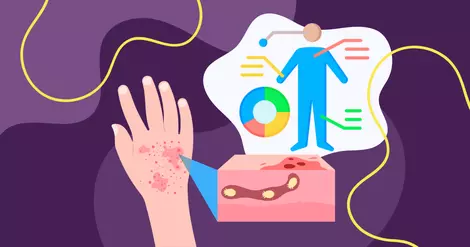
Symptoms of shingles include a painful rash with blisters, changes in skin color, fever, chills, and nerve pain. Shingles can also cause nerve damage. A condition called postherpetic neuralgia (PHN) can cause long-term nerve pain in areas of the body affected by shingles.
Other serious complications of shingles include brain inflammation, vision loss, hearing loss, and a higher risk of bacterial infections. Shingles has been shown to increase the risk of heart attack and stroke by almost 30 percent. The shingles vaccine greatly reduces the risk of these complications.
The shingles vaccine has also been found to significantly lower the risk of blood clots, vascular dementia, and overall risk of death. For people with heart disease, the shingles vaccine can offer important protective benefits.
Vaccines made with a “live virus” have a small risk of making someone contagious. However, the current shingles vaccine — the Shingrix vaccine — is not made with a live virus. It’s made from a part of the virus, not the whole live virus, and that isn’t contagious.
The previous shingles vaccine was called Zostavax. It is no longer available in the U.S. This vaccine was made from a whole live, but weakened, virus. In rare cases, a person who had recently received a live vaccine could pass the virus to someone with a weakened immune system, but this was uncommon. If you’re given a live vaccine, your healthcare provider will explain any possible risks.
Zostavax is still available in some countries. If you live outside of the U.S. and are considering the shingles vaccine, ask your pharmacist or healthcare provider which version is available. You can also discuss possible risks, especially if you or someone you’re in close contact with is immunocompromised.
The shingles vaccine is generally recommended for adults ages 50 and older. It is also recommended for people over 19 years of age who have a compromised immune system. The vaccine is advised for people who’ve had shingles in the past, as long as the shingles rash has healed. It’s also recommended for people who previously received the Zostovax vaccine.
If you don’t remember whether you’ve had chickenpox, your healthcare provider can order a blood test to find out. If you haven’t had chickenpox, your doctor may recommend you get the chickenpox vaccine instead.
If you have a compromised immune system, talk with your doctor before getting the shingles vaccine. If you’re pregnant or breastfeeding, you should wait to get the vaccine.
The shingles vaccine is given as two injections into the muscle. The second dose is given two to six months after the first. People with weakened immune systems may be advised to get the second dose one to two months after the first dose. Common side effects include flu-like symptoms, stomach upset, and tenderness at the injection site. Talk to your doctor about rare side effects and the risk of a severe allergic reaction, which can be serious.
On MyHeartDiseaseTeam, people share their experiences with heart disease, get advice, and find support from others who understand.
Have you received the shingles vaccine? Let others know in the comments below.
Get updates directly to your inbox.


i have in the past single vav do i need a2 dosis.?


 Continue with Facebook
Continue with Email
Continue with Facebook
Continue with Email
Continue with Facebook
Continue with Email
Continue with Facebook
Continue with Email
Become a member to get even more





 Join
Join


 Your Privacy Choices

This is a member-feature!
Sign up for free to view article comments.
Shows is working
We'd love to hear from you! Please share your name and email to post and read comments.
You'll also get the latest articles directly to your inbox.