
Powered By


 Continue with Facebook
Continue with Email
Continue with Facebook
Continue with Email
Imagine biting into a juicy steak, savoring the rich flavor of bacon, or indulging in a cheese board for every meal. The carnivore diet has gained attention and popularity in recent years. But if you’re living with heart disease, you might wonder: Is a meat-based diet good for you, or could it hurt your heart?
Understanding what the carnivore diet includes and what the most recent research says can help you work with your healthcare team to determine whether it’s safe for you.
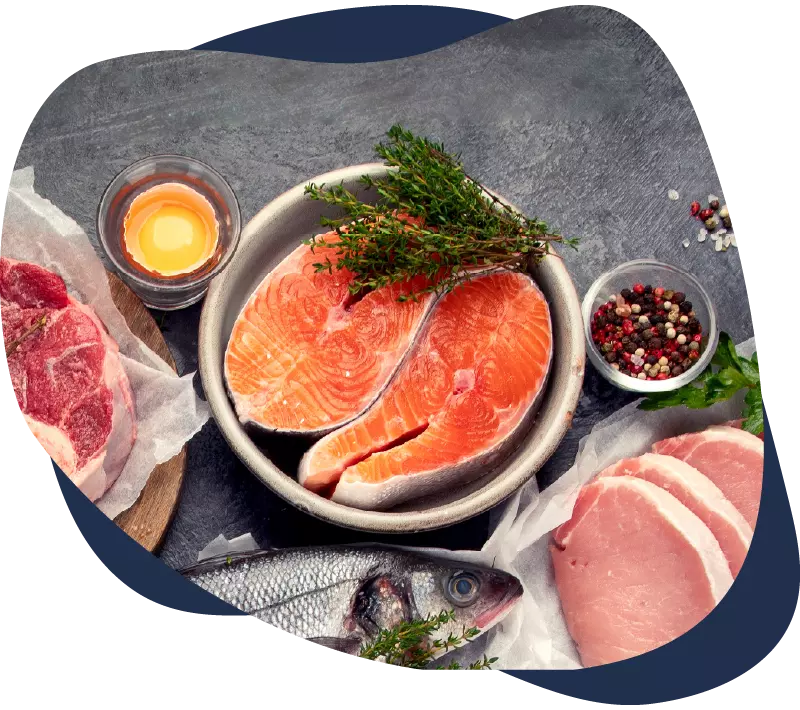
The carnivore diet is a very restrictive way of eating where you only eat animal products.
There are several variations of the carnivore diet, but in general, people on a carnivore diet eat mostly:
All other foods are avoided on this diet, including fruits, vegetables, grains, legumes, nuts, and seeds.
The research specifically focused on the carnivore diet is very limited. However, fans of the carnivore diet believe it may offer some of the following benefits.
 One MyHeartDiseaseTeam member said, “I’m eating a very low-carb diet. I was on the keto diet for two years, which alleviated my diabetes, need for insulin, and stage 3 chronic kidney disease (CKD). I’ve maintained stable blood sugars ever since. Now I’ve been eating 99 percent carnivore for the past 17 months. I’ve lost about 180 pounds from my all-time high of 518 pounds, and I found that my angina has reduced tremendously over the last month.”
It’s important to note that the carnivore diet has not undergone much rigorous scientific testing, and there simply isn’t reliable evidence for many of these claims.
Even though some people believe that the carnivore diet offers benefits, it also poses several concerns, especially because it’s heavy on several of the foods you should avoid if you have heart disease.
 High Saturated Fat Intake
The carnivore diet includes fatty cuts of meat, butter, cheese, and other animal fats that are high in saturated fat. Saturated fat has been associated with an increase in low-density lipoprotein (also known as LDL or “bad” cholesterol) levels. For some people, this may contribute to heart disease.
Low Fiber IntakeThe carnivore diet contains little to no fiber due to the focus on animal foods and exclusion of fruits, vegetables, whole grains, legumes, nuts, and seeds. Fiber is very important for heart health because it can help prevent heart disease.
Potentially High Sodium IntakeMany processed meats, like jerky, deli meat, or meats used in fast food, contain high amounts of sodium. Sodium can cause high blood pressure and lead to heart disease in some people. However, some people following the carnivore diet stick to fresh, unprocessed meats like steak, chicken, and fish.

Again, there’s not much research on the carnivore diet. But a 2020 study on high-animal protein diets found that eating a lot of processed meat and even unprocessed red meat is linked to a slightly higher risk of heart disease, along with higher mortality (death) rates, including death from heart disease.
Of course, this study did not look at the carnivore diet in particular. Most of what we know comes from studies on people who ate a lot of meat and also ate other foods. More research is needed to fully understand the long-term effects of a strict carnivore diet on heart health.
For people living with heart disease, many healthcare providers suggest eating a balanced diet with a variety of foods like:
If you’re thinking about trying the carnivore diet despite having heart disease, you need to be aware of potential short-term and long-term effects:
Sign up to view the results!
Continue with Facebook
Continue with Email
If you want to try the carnivore diet but worry about your heart health, consider these other options:
 On MyHeartDiseaseTeam, members share their experience with heart disease, get advice, and find support from others who understand.
Have you tried the carnivore diet? Let others know in the comments below.
Get updates directly to your inbox.




 Continue with Facebook
Continue with Email
Continue with Facebook
Continue with Email
Continue with Facebook
Continue with Email
Continue with Facebook
Continue with Email
Become a member to get even more





 Join
Join


 Your Privacy Choices

This is a member-feature!
Sign up for free to view article comments.
I try to eat heathy. I go to church. You are a blessing and you are worthy. I like praying for people laying hands on people. Psalm 23. is my favorite verse. God bless everyone here. We all need… read more
We'd love to hear from you! Please share your name and email to post and read comments.
You'll also get the latest articles directly to your inbox.