
Powered By



Shortness of breath can be unsettling — especially if you’re living with atrial fibrillation (AFib). You might notice you get winded more easily when walking up stairs or doing household chores or even while resting. For many people with AFib, breathlessness is one of the most frustrating and concerning symptoms.
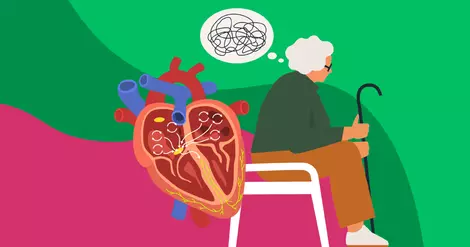
AFib is an irregular, often rapid heart rhythm that affects how well your heart pumps blood. When the heart isn’t beating efficiently, your body — including your lungs — may not get the oxygen-rich blood it needs. This can leave you feeling tired, weak, or short of breath. In some cases, shortness of breath may signal that AFib isn’t well controlled or that another heart-related complication is developing.
Understanding the connection between atrial fibrillation and shortness of breath can help you recognize what’s normal, what’s not, and when to seek medical care. Here’s what you need to know.
If you’ve been diagnosed with atrial fibrillation, it means that the electrical system that keeps your heart beating isn’t working properly. This can cause your heart to beat in an abnormal rhythm, called an arrhythmia. An irregular heartbeat or heart palpitations can change how much blood your body gets and how the blood is flowing throughout your body.
Your cardiovascular doctor may refer to the condition as nonvalvular atrial fibrillation. This is an older, outdated term.
Shortness of breath, also referred to as dyspnea, generally feels like not being able to get enough air. This is called air hunger. You may also feel like:
You may also hear wheezing from your lungs. Shortness of breath may be more pronounced when you’re doing any kind of physical activity or exertion.
Because your heart is beating irregularly when you’re dealing with atrial fibrillation, it can become weak and the blood supply can become unpredictable. This means that there might not always be enough oxygen in your lungs when you need it, which can lead to shortness of breath.

You can also experience a breathless feeling if your ventricles are beating more often than they should. They can beat up to three times as fast as the rest of your heart, which can leave you feeling not only short of breath but also extremely tired.
AFib can lead to heart failure. Heart failure basically means that the heart isn’t pumping enough blood to meet your body’s needs. The abnormal electrical impulses and irregular heartbeat from AFib can cause heart failure.
If your heart can’t effectively pump blood through the arteries, the blood can get backed up in the veins around your lungs. This can eventually cause fluid to enter your lungs. This backup can also lead to shortness of breath. If this is the cause of your symptoms, you may notice your shortness of breath gets worse when you’re lying down.
Most of the time, there’s a difference between the way shortness of breath shows up when you’re having an episode of AFib versus when AFib is causing heart failure. Atrial fibrillation can come on quickly, then disappear just as fast. In these cases, shortness of breath can also come on suddenly and go away when your heartbeat goes back to normal. If you’re dealing with heart failure, shortness of breath usually comes on slowly and may be ongoing.
Your healthcare provider can help you find out what’s causing any shortness of breath you experience. While changes to your heart rate from AFib can cause this symptom, so can other conditions and factors. These include:
It’s important to find out the cause of any breathing issues you’re experiencing so you can get the most effective treatment for your body and your needs.
If you’re living with shortness of breath due to AFib, your doctor will want to keep track of what’s going on with your heart and your lungs. They may use various tests to monitor your health.
One of the main tests is an electrocardiogram (ECG). For an ECG, sensors are placed on your chest and hooked up to a machine that analyzes how your heart is beating. Your doctor may also do an echocardiogram, which evaluates the blood flow through and around your heart.
Blood tests can give your doctors information about certain substances in your blood that can affect your heart, like potassium. Unusual levels of these may tell them what’s causing your AFib and help them track when you have episodes. Finally, imaging tests can give doctors more information about the structure of your heart and lungs and whether you have fluid building up in the lungs.
The cause behind your symptoms will inform your treatment. If your doctor determines your shortness of breath is unrelated to AFib, they’ll need to determine the cause to figure out your treatment plan. If your shortness of breath is related to AFib, treating the condition should, in turn, help with your shortness of breath. Treating atrial fibrillation can involve medications, surgeries, or procedures. Treatment will vary for each person with the condition.
Doctors may prescribe the following types of medications to treat AFib:
Unfortunately, many of the medications that are most effective at helping your heart stay in rhythm have other side effects that prevent people from using them. You and your doctor can weigh the pros and cons. If your symptoms get worse or you experience side effects on a new medication, tell your doctor right away.
Cardiac ablation is a type of procedure used to treat AFib that doesn’t respond to other treatments. This procedure creates small scars via catheters (small, flexible tubes) in the heart to make it difficult for heart signals to pass through. Cardiac ablation has been shown to improve shortness of breath at rest and during physical activity.
Electrical cardioversion is another type of treatment that may be beneficial for shortness of breath, but more research is needed.
Changing aspects of your lifestyle may help manage or prevent other medical conditions that can lead to atrial fibrillation. These include:
While these healthy lifestyle changes won’t cure atrial fibrillation, they may help you experience fewer AFib episodes, and therefore less shortness of breath.
Anytime you have shortness of breath and you don’t know why, it’s important to see a doctor — especially if you’re living with AFib and you feel like your shortness of breath is getting worse or not going away.
Sometimes, shortness of breath can become urgent to the point where you need to seek emergency medical care. If your shortness of breath is sudden or severe or getting worse fast, you should seek emergency care. Also seek emergency care if you notice the following symptoms along with shortness of breath:
On MyHeartDiseaseTeam, people share their experiences with heart disease, get advice, and find support from others who understand.
If you have atrial fibrillation, what has helped you with shortness of breath? Let others know in the comments below.
Get updates directly to your inbox.


I have a pacemaker, so why do I still get short of breath when walking. I was told that the pacemaker would prevent this.


 Continue with Facebook
Continue with Email
Continue with Facebook
Continue with Email
Continue with Facebook
Continue with Email
Continue with Facebook
Continue with Email
Become a member to get even more





 Join
Join



 Your Privacy Choices

This is a member-feature!
Sign up for free to view article comments.
In short I still argue with my doctors about this and how they equate the issue. I was born with chronic bronchial asthma and undeveloped lungs, wasn't expected to survive, I survived that year and… read more
We'd love to hear from you! Please share your name and email to post and read comments.
You'll also get the latest articles directly to your inbox.