
Powered By



 Continue with Facebook
Continue with Email
Continue with Facebook
Continue with Email
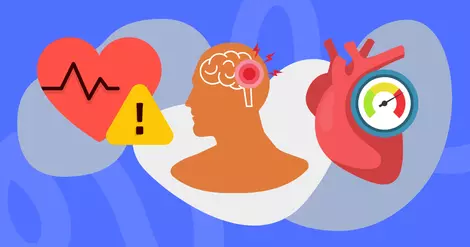
Obstructive hypertrophic cardiomyopathy (oHCM) is a type of heart condition that affects the heart muscle. Hypertrophic cardiomyopathy (HCM) is usually inherited and causes the heart muscle to become thicker than usual.
The two main types of HCM are obstructive HCM and nonobstructive HCM. In oHCM, the thickened heart muscle blocks some of the blood flowing out of the heart. It can be hard to diagnose oHCM because many people don’t have symptoms at first.
If you or a loved one is living with oHCM, you may not know what to expect. Read on to learn more about oHCM, including symptoms and treatment options.
In oHCM, the heart muscle becomes thicker than usual. This thickening is often caused by changes in genes that affect how heart cells grow.
The extra muscle often affects the septum, which is the wall between the two lower chambers of the heart. When the septum gets too thick, it can partly block blood from flowing out of the heart. This is called obstruction.
When blood flow is partly blocked, the heart may pump less blood to the rest of the body. Less blood flow can lead to symptoms such as shortness of breath, chest pain, dizziness, or fainting.
Symptoms of oHCM can vary from person to person.
Many people living with oHCM have no symptoms. When symptoms do occur, they often start in the teenage years or early adulthood.

Possible symptoms of oHCM include:
Other possible symptoms include:
Some symptoms happen when the body needs more blood than the heart can pump. For example, chest pain may happen during exercise. Shortness of breath or fainting may happen when blood flow out of the heart is blocked.
To diagnose oHCM, your doctor will ask questions about your symptoms, medical history, and family history.
 Your doctor may perform the following tests to diagnose oHCM:
These tests may include an echocardiogram, which is an ultrasound of the heart. It can show how well the heart works and how thick the heart walls are. Your doctor may also order a cardiac magnetic resonance test. This is a type of MRI that gives more detailed pictures of the heart muscle.
Your doctor may also order other tests, such as:
Treatment for oHCM focuses on improving symptoms and quality of life.
For mild symptoms, doctors may prescribe medications to slow the heart rate and help the heart pump blood more easily. Cardiac myosin inhibitors are another type of treatment approved for oHCM. Before starting a new medication, talk with your doctor about the possible risks and benefits.
Both of these procedures may help treat serious symptoms such as breathing problems and chest pain:
People with oHCM may have abnormal heart rhythms because of the thick heart muscle. If you have a high risk of life-threatening heart rhythms, your doctor may recommend an implantable cardioverter-defibrillator (ICD).
ICDs monitor the heart rhythm and deliver electrical shocks if they detect a dangerous abnormal heart rhythm.
In addition to these treatments, your doctor may recommend lifestyle and diet changes. These may include:
Your doctor may also suggest safe ways to stay active and may recommend testing or treatment for sleep apnea.
Symptoms of oHCM may stay mild, get worse slowly, or get worse quickly. Some symptoms, such as shortness of breath, chest pain, or a fast heartbeat, can also have other causes.
Talk with your doctor if you have symptoms that could be related to oHCM or HCM. Ask about testing if you have a family history of HCM.
Call 911 or a local emergency number if you have any of the following symptoms for more than a few minutes:
If you are a parent, child, or sibling of a person living with hypertrophic cardiomyopathy, ask your doctor if a genetic screening test is right for you.
If you have a family member with HCM, your doctor may recommend regular screenings for HCM. Screenings may take place every one to two years in childhood and every three to five years in adulthood.
Genetic testing for HCM usually involves taking a blood or saliva sample. It may be helpful to talk with a genetic professional before having a genetic test. They can explain the risks, benefits, and limits of genetic testing.
Testing can help find people who have HCM but don’t have symptoms.

This condition can affect how blood flows out of the heart, but many people have no symptoms at first. If you have symptoms or a family history of HCM, talk with your doctor about testing and treatment options. Getting the right care can help manage symptoms and lower the risk of serious heart problems.
On MyHeartDiseaseTeam, people share their experiences with heart disease, get advice, and find support from others who understand.
Have you or a family member had a screening test for oHCM? If so, what was your experience? Let others know in the comments below.
Get updates directly to your inbox.


 Continue with Facebook
Continue with Email
Continue with Facebook
Continue with Email
Continue with Facebook
Continue with Email
Continue with Facebook
Continue with Email
Become a member to get even more





 Join
Join


 Your Privacy Choices

This is a member-feature!
Sign up for free to view article comments.
We'd love to hear from you! Please share your name and email to post and read comments.
You'll also get the latest articles directly to your inbox.