
Powered By



 Continue with Facebook
Continue with Email
Continue with Facebook
Continue with Email
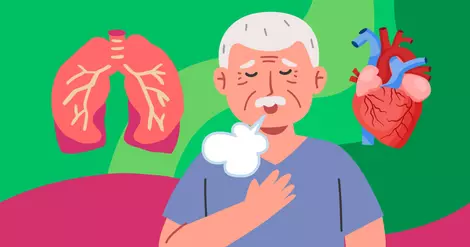
Not everyone with obstructive hypertrophic cardiomyopathy (oHCM) has symptoms. Your doctor may notice a heart murmur when they listen to your chest using a stethoscope. They might also discover a murmur during exams for other reasons.
While most people with oHCM don’t have complications, some may develop heart failure, so it’s important to seek treatment early if possible. “I have oHCM, ventricular tachycardia, and now heart failure,” one MyHeartDiseaseTeam member said.
Read on to discover what oHCM-related heart murmurs are, how they’re diagnosed, and what they mean for your treatment.
 How oHCM May Be Linked to Heart Murmurs
Heart murmurs are sounds that healthcare providers might hear when they use a stethoscope to listen to your heart. Often described as a whooshing sound, a heart murmur sounds different from a normal heartbeat.
Certain murmurs are harmless and are referred to as innocent heart murmurs. Others are considered abnormal and may be a sign of a heart condition.
Abnormal heart murmurs can be a sign of hypertrophic cardiomyopathy. In HCM, the heart muscle becomes thickened, which can make it harder for your heart to pump blood. Obstructive hypertrophic cardiomyopathy (oHCM) is one of the two main types of HCM — nonobstructive HCM is the other type.
In people with oHCM, the septum (the wall between the heart’s two lower chambers) gets thicker. This can reduce blood flow from the left ventricle into the aorta. The aorta is the main vessel that carries blood from your heart to the rest of your body.
The turbulent blood flow that results may lead to the murmur that affects some people with oHCM.
Your healthcare provider will start the oHCM diagnosis process with a physical exam. During the exam, your healthcare provider will listen to your heart and lungs with a stethoscope to check for murmurs or other unusual sounds.
Obstructive HCM is often caused by inherited gene changes. Because oHCM can run in families, your doctor will ask whether you have a family history of oHCM or whether any family members have other heart problems.
If someone in your family has been diagnosed with oHCM, other relatives may want to be screened for the condition. Genetic testing can help identify gene changes linked to the condition and can guide care for you and your family.
About half of people with a family history of HCM have a gene that caused the condition.
If your doctor detects a heart murmur or suspects you have oHCM based on other symptoms, they may run the tests below to confirm the diagnosis.
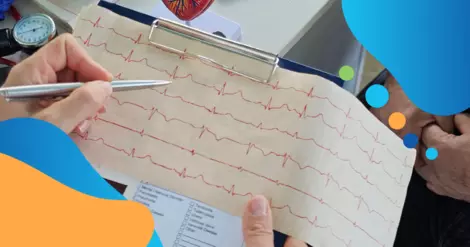
An electrocardiogram (ECG or EKG) uses electrodes placed on the chest and sometimes on the arms and legs to measure the heart’s electrical activity.
An electrocardiogram can detect irregular heartbeats and signs of heart muscle thickening. This test is quick and painless.
An echocardiogram is another common test used to diagnose oHCM. It uses sound waves to create moving images of the heart. These images can show whether the heart walls are thickened and how well the heart is pumping blood.
If oHCM is suspected, your healthcare team will review your echocardiogram results to evaluate whether you have any obstructions. They may ask you to rest during the echocardiogram and then to exert yourself. Seeing how your heart operates during these changes in movement can show them how blood flows in different situations.
An echocardiogram is one of the best ways to detect the cause of a heart murmur. Based on the results of your echocardiogram, your provider may be able to tell you whether you have a murmur, oHCM, or both.
A cardiac MRI (CMR) uses magnetic fields and radiofrequency waves to produce images of your heart. This test can show how well the heart and valves are working. A cardiac MRI is often done in addition to an echocardiogram.
During the CMR, the care team will measure your cardiac wall thickness very precisely. They’ll also note any scarring they see. Scarring is also referred to as fibrosis.
A stress test measures how your heart reacts to physical activity. During the test, you’ll typically walk on a treadmill or ride an exercise bike. If exercising isn’t an option for you, the care team may instead use medication to simulate the effects of exercise.
The cardiology team may perform stress tests with one of the following:
All these tests show healthcare professionals how your heart responds to stress.
Holter and event monitors can detect arrhythmias (unusual heart rhythms) and record your heart’s activity over time. Some monitors, such as Holter monitors, are worn for one or two days while you do your regular activities.
Your doctor will then analyze the results to evaluate whether any signs of oHCM are present.
A heart murmur can be an early sign of hypertrophic cardiomyopathy. Although there’s no cure for oHCM, there are ways to manage it. Early detection and treatment are important, since oHCM symptoms typically worsen as time passes.
If your murmur is related to hypertrophic cardiomyopathy, treatment may help reduce symptoms and lower the risk of complications.
Typical oHCM treatment may involve using medications. Certain drugs can reduce the heart muscle’s excessive contractions and help your heart beat more regularly. You may also be prescribed medications to lower your blood pressure.
The following types of medication may be prescribed:
Your cardiology team may recommend certain procedures to help regulate your heart rate. These include:
Lifestyle changes may also be recommended. These include:
Speak with your cardiologist about whether any of these therapies would be right for you.
Often, people with oHCM don’t have symptoms or even know they have it. Most people don’t feel symptoms from a heart murmur itself. However, the underlying cause of the murmur can cause symptoms.
You may experience the following oHCM symptoms:
Although other conditions can cause these symptoms, it’s important to have a checkup to find the cause and get the right care. Because oHCM can cause life-threatening health problems in some people, it’s important to see a cardiologist regularly if you’ve been diagnosed with oHCM.
If you have any of the symptoms below for more than a few minutes, call 911 (or your local emergency number):
On MyHeartDiseaseTeam, people share their experiences with heart disease, get advice, and find support from others who understand.
Did a heart murmur lead to your HCM diagnosis or was it found another way? Let others know in the comments below.
Get updates directly to your inbox.




 Continue with Facebook
Continue with Email
Continue with Facebook
Continue with Email
Continue with Facebook
Continue with Email
Continue with Facebook
Continue with Email
Become a member to get even more





 Join
Join


 Your Privacy Choices

This is a member-feature!
Sign up for free to view article comments.
Yes, my hocm was detected because of a heart murmur which was detected by my gastroenterologist who then recommended that I tell my PCP who then recommended a heart specialist who then diagnosed me… read more
We'd love to hear from you! Please share your name and email to post and read comments.
You'll also get the latest articles directly to your inbox.