
Powered By


 Continue with Facebook
Continue with Email
Continue with Facebook
Continue with Email
Do your hands and feet often feel cold, even when it’s warm outside? Cold hands and feet can be uncomfortable and worrying, especially if you or a loved one has poor circulation or heart disease.
Understanding the possible causes can help you know when it’s time to see a doctor.
Cold hands and feet can happen for many reasons. They’re usually harmless and caused by issues that are temporary and easily fixable, like cold environments.
Sign up to view the results!
Continue with Facebook
Continue with Email
Cold weather cools the hands and feet. When it’s cold outside, your body tries to keep your vital organs warm by narrowing the blood vessels in the body parts farthest from your heart. This reduces blood flow to your hands and feet but helps keep more heat near your heart.
Poor circulation can also cause cold hands and feet. If your blood isn’t flowing well, it may not reach your extremities (arms, hands, legs and feet) in the amount needed to keep them warm. Poor circulation can happen if you sit in a chair too long or you wear tight clothing.
While lifestyle factors and temporary changes are common causes, poor circulation can also be caused by many different medical conditions.
There are a few medical conditions that can cause your hands and feet to feel unusually cold.
With this condition, you don’t have enough red blood cells to carry oxygen throughout your body. Without enough oxygen, your hands and feet can feel cold. Anemia can be a short-term or long-term condition.
If your thyroid doesn’t make enough hormones, it can slow down your metabolism. Your metabolism is the process by which your body turns food into energy. When it slows down, your blood doesn’t flow as well, which can lead to weight gain and cold extremities.
This condition causes some areas of your body, such as your fingers and toes, to feel numb, cold, and painful in response to stress or cold temperatures. It happens when the small arteries that supply blood to your skin narrow too much, temporarily reducing blood flow.
While many of these conditions can be easily managed with treatment, you may be wondering whether poor circulation can be a sign of heart disease.
For people living with heart disease, cold hands and feet can be a common annoyance. “Like many people with heart problems, my body hates the cold — especially my hands,” one MyHeartDiseaseTeam member shared.
In most cases, cold hands and feet aren’t a sign of heart disease. However, cardiovascular (heart and blood vessel) problems can affect circulation. It’s important to understand when this may be linked to a more serious condition.
Peripheral artery disease (PAD) develops when the arteries that supply blood to your limbs — mainly your legs — become narrowed. This blockage is caused by plaque buildup. This can reduce blood flow to your extremities, mainly causing cold feet or toes.
PAD is often a sign of widespread cardiovascular disease, which means if you have PAD, you’re at a higher risk for heart attacks and strokes. If you have cold feet along with leg pain that starts when you walk and gets better when you rest, talk to your doctor right away.
Heart failure occurs when the heart isn’t pumping enough blood to meet the body’s needs. This can lead to poor circulation, as the body works to maintain blood flow to the brain and other important organs first. When blood flow is reduced, it can cause cold hands and feet.
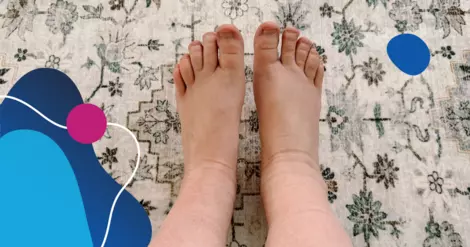
Heart failure can also lead to edema (fluid buildup) in the legs, ankles, and feet, which can further reduce blood circulation and lead to cold extremities. If you have cold hands and feet along with trouble breathing, lightheadedness, and edema, talk to your doctor right away.
High blood pressure can damage blood vessels over time. This can make it harder for blood to flow properly throughout the body. Blood flow to the hands and feet can be reduced which can cause your hands and feet to feel colder.

If you often have cold hands and feet, especially if you have heart disease or are at risk for it, pay attention to your symptoms and know when to seek medical help.
“My hands go white,” shared one MyHeartDiseaseTeam member living with Raynaud’s. “I see a vascular doctor, and being treated with amlodipine helps.”
Here are some signs that you should contact a healthcare provider:
Seek medical attention right away if you have sudden shortness of breath, numbness, severe pain, or a loss of feeling in your extremities. These symptoms may be signs of a medical emergency.
If you’re experiencing cold hands and feet due to heart problems or poor circulation, there are several lifestyle changes and treatments that can help improve your blood flow and heart health.
Certain lifestyle changes can keep your heart healthy and happy. Making one small change at a time can make all the difference in the long run. Here are some good places to start:
Just like the lifestyle you choose, the foods you eat can have a direct effect on your heart throughout your life. You can improve your general heart wellness if you:
If you have heart disease or poor circulation, your healthcare provider might prescribe medications to help improve your heart function or blood flow. These might include blood pressure medications, blood thinners, or medications to lower high cholesterol levels.
In some cases, you may need surgery or procedures to improve blood flow or treat a blocked artery. Your healthcare provider can discuss these options with you if they’re necessary.
Cold hands and feet can be caused by many factors, including environmental conditions, poor circulation, and certain medical conditions. Most of the time, these symptoms are nothing to worry about. But they can sometimes be signs of cardiovascular system disease.
Talk to your healthcare provider if you’re concerned about cold extremities and possible cardiovascular issues. They can help you understand what’s causing your symptoms and suggest the best course of action to improve your circulation and heart health.
On MyHeartDiseaseTeam, people share their experiences with heart disease, get advice, and find support from others who understand.
Are you living with heart disease? Do you experience bouts of cold hands and feet? Let others know in the comments below.
Get updates directly to your inbox.


 Continue with Facebook
Continue with Email
Continue with Facebook
Continue with Email
Continue with Facebook
Continue with Email
Continue with Facebook
Continue with Email
Become a member to get even more





 Join
Join



 Your Privacy Choices

This is a member-feature!
Sign up for free to view article comments.
My hands and feet are always cold and my Dr told me its because I'm on blood thinners as I have a pacemaker.
We'd love to hear from you! Please share your name and email to post and read comments.
You'll also get the latest articles directly to your inbox.