Connect with others who understand.

  •   Learn from expert-reviewed resources
  •   Real advice from people who’ve been there
  •   People who understand what you’re going through
Sign Up Log In
Powered By

Heart Failure Swelling: 6 Ways To Track Changes

Medically reviewed by Vedran Radonić, M.D., Ph.D.
Posted on November 24, 2026

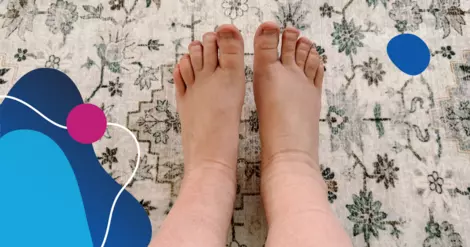
Heart failure swelling, also called edema (fluid buildup that causes puffiness), often affects the feet, ankles, legs, or abdomen. Tracking changes can help you and your care team notice worsening congestion earlier, but a log does not replace medical advice.

Here are six ways to monitor changes. Vote on what you’ve tried, and share what helps you notice patterns.

#1

Weigh Yourself Consistently

Weigh yourself at the same time each day, ideally in the morning after urinating and before eating or drinking. Use the same scale, place it in… Read more

Weigh yourself at the same time each day, ideally in the morning after urinating and before eating or drinking. Use the same scale, place it in the same location, and wear similar clothing each time.

Daily weight can reveal fluid changes before swelling feels obvious. Ask your healthcare professional what amount of gain should prompt a call for you. A common warning threshold is more than 2 or 3 pounds in one day or more than 5 pounds in one week.

Tell us more!
All updates must be accompanied by text or a picture.
#2

Check Where Swelling Appears

Look at your feet, ankles, lower legs, fingers, and abdomen at the same time each day. Notice whether shoes, rings, socks, or waistbands feel… Read more

Look at your feet, ankles, lower legs, fingers, and abdomen at the same time each day. Notice whether shoes, rings, socks, or waistbands feel tighter, or whether one area looks more swollen than usual.

Swelling from fluid collecting in the ankles, lower legs, and feet is one symptom to track. Reviewing guidance on leg swelling may help you think through what is normal for you. You can note:

  • Where it’s located
  • How far the swelling extends
  • Whether it improves after rest or overnight
Tell us more!
All updates must be accompanied by text or a picture.
#3

Log Breathing Problems and Other Symptoms

Swelling may occur alongside shortness of breath, cough, trouble lying flat, waking up breathless, fatigue, dizziness, or reduced appetite… Read more

Swelling may occur alongside shortness of breath, cough, trouble lying flat, waking up breathless, fatigue, dizziness, or reduced appetite. Record when each symptom starts, what you were doing, and whether it’s getting better or worse.

A heart failure symptom tracker can help you organize changes to discuss with your care team. Ask someone close to you to mention changes they notice too.

Tell us more!
All updates must be accompanied by text or a picture.
#4

Record Fluids and Salt Intake

If your care team has given you a fluid or sodium limit, write down what you drink and any foods that may be high in sodium. Don’t create a fluid… Read more

If your care team has given you a fluid or sodium limit, write down what you drink and any foods that may be high in sodium. Don’t create a fluid restriction on your own because the right amount varies by person and treatment plan.

Self-care resources for heart failure include tracking fluid intake and sodium as part of monitoring. Ask a doctor or dietitian how to record these details without becoming overwhelmed.

Tell us more!
All updates must be accompanied by text or a picture.
#5

Note Diuretic Use and Medication Changes

Keep a record of when you take prescribed diuretics (water pills) and other heart failure medicines, along with any missed doses or new side… Read more

Keep a record of when you take prescribed diuretics (water pills) and other heart failure medicines, along with any missed doses or new side effects. Don’t take extra doses or change the schedule to treat swelling unless your prescriber tells you to.

Your team may ask you to track diuretic use along with weight and symptoms. A heart failure care plan may help you keep the log in one place. Bring it to appointments so the team can decide whether your plan needs adjustment.

Tell us more!
All updates must be accompanied by text or a picture.
#6

Know When To Call

Contact your care team about new or worsening swelling, sudden weight gain, or other changes in your usual pattern. Ask in advance which number… Read more

Contact your care team about new or worsening swelling, sudden weight gain, or other changes in your usual pattern. Ask in advance which number to call after hours and which symptoms require urgent or emergency care.

You should report new or suddenly worsening symptoms to your care team promptly. Call 911 for emergency symptoms such as:

  • Severe shortness of breath
  • Chest pain
  • Fainting
  • New confusion
  • Blue lips or face
Tell us more!
All updates must be accompanied by text or a picture.

What Helps You Track Heart Failure Swelling?

Do you use a scale, symptom log, phone reminder, or another method? Share what helps you notice changes and communicate them to your care team.

All updates must be accompanied by text or a picture.

We'd love to hear from you! Please share your name and email to post and read comments.

You'll also get the latest articles directly to your inbox.

Subscriber Photo Subscriber Photo Subscriber Photo
458,498 members
This site is protected by reCAPTCHA and the Google Privacy Policy and Terms of Service.
Privacy Policy • Terms of Use
Share this article
All updates must be accompanied by text or a picture.

We'd love to hear from you! Please share your name and email to post and read comments.

You'll also get the latest articles directly to your inbox.

Subscriber Photo Subscriber Photo Subscriber Photo
458,498 members
This site is protected by reCAPTCHA and the Google Privacy Policy and Terms of Service.
Privacy Policy • Terms of Use
All updates must be accompanied by text or a picture.

Subscribe now to ask your question, get answers, and stay up to date on the latest articles.

Get updates directly to your inbox.

Subscriber Photo Subscriber Photo Subscriber Photo
458,498 members
This site is protected by reCAPTCHA and the Google Privacy Policy and Terms of Service.
Privacy Policy • Terms of Use
Continue with Facebook
Continue with Google
By joining, you accept our Terms of Use, and acknowledge our collection, sharing, and use of your data in accordance with our Health Data and Privacy policies.
Already a member? Log In

Thank you for subscribing!

Become a member to get even more

See answer