
Powered By



 Continue with Facebook
Continue with Email
Continue with Facebook
Continue with Email
If you find that you cough more when you lie flat and feel relief when you sit up or stack your pillows like a tower, you may have what’s known as a cardiac cough.
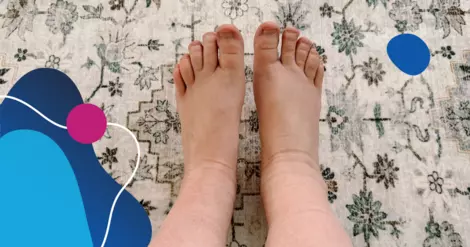
Many people with heart failure notice this kind of cough along with other symptoms, like shortness of breath, leg swelling, and fatigue.
In this article, you’ll learn what causes a cardiac cough, how it differs from other causes of cough, and what you can do to ease the symptom.
Sign up to view the results!
Continue with Facebook
Continue with Email
 How Heart Failure Can Cause Cardiac Cough
 Cardiac cough in heart failure stems from fluid buildup in the lungs.
Coughing is a natural reaction to irritants in your lungs, such as mucus or dust. Receptors in your lungs act like tiny antennas, sending a message to your brain when they sense something irritating. That message triggers the cough reflex.
Think of your heart as a pump that moves blood around your body. When heart failure weakens that pump, blood can back up in the vessels leading from your lungs to your heart.
This raises the pressure in those vessels, causing fluid to leak into your lungs (pulmonary edema). The extra fluid irritates your lungs and triggers a persistent cough that won’t improve with over-the-counter cough medications.
A persistent cough can have many possible causes, which is part of why heart failure often gets missed at first. Here’s how a cardiac cough tends to compare.
 Respiratory Infections
 In respiratory infections, such as colds, flu, and pneumonia, your airways get inflamed, and you produce extra mucus as your body fights off the infection.
Here are some other key characteristics:
Asthma In asthma, inflammation tightens and narrows the airways. This can trigger coughing. Like a cardiac cough, asthma can cause wheezing, but while asthma responds to inhalers, a cardiac cough doesn’t.
Here are some other key characteristics:
Chronic Obstructive Pulmonary Disease Damaged airways in chronic obstructive pulmonary disease (COPD) produce excess mucus that your body tries to clear daily. Because COPD also causes ongoing breathlessness, it’s easy to overlook a heart problem hiding behind it.
Here are some other key characteristics:
Gastroesophageal Reflux Disease Gastroesophageal reflux disease (GERD) causes stomach acid to rise into your throat and airway, irritating the lining and triggering a cough. Unlike a cardiac cough, coughs caused by GERD are tied to meals (not simply from lying flat) and worsen after eating.
Here are some other key characteristics:
Allergies With allergies, postnasal drip can send mucus down the back of your throat, causing irritation and a tickly cough. It follows a pattern tied to a specific trigger, like pollen or pet dander, rather than a heart condition.
Here are some other key characteristics:
ACE Inhibitor Medications ACE inhibitors are heart failure medications that cause cough in some people as a side effect. The cough is dry and can be mistaken for a cardiac cough, since both are heart-related. But the cough usually resolves after stopping the medication.
Here are some other key characteristics:
Diagnosis and Treatment of Cardiac Cough To figure out whether heart failure is behind your symptoms, your doctor will start with a physical exam and a review of your medical history, listening closely to your heart and lungs.
From there, they may order tests such as an echocardiogram, electrocardiogram (ECG or EKG), chest X-ray, or blood tests to check how well your heart is pumping and whether fluid has built up in your lungs.
Treating the underlying heart problem, often with diuretics and other heart failure medications, clears fluid from your lungs and typically improves the cough along with it. If an ACE inhibitor is causing a dry cough, your doctor may switch you to a different medication.
If your cough doesn’t improve or comes back, let your healthcare provider know — you may need a change in your treatment plan.
On MyHeartDiseaseTeam, people share their experiences with heart disease, get advice, and find support from others who understand.
Did you first notice your cough before or after your heart failure diagnosis? Share your story in the comments below.
Get updates directly to your inbox.


 Continue with Facebook
Continue with Email
Continue with Facebook
Continue with Email
Continue with Facebook
Continue with Email
Continue with Facebook
Continue with Email
Become a member to get even more





 Join
Join



 Your Privacy Choices

This is a member-feature!
Sign up for free to view article comments.
Can Heart Failure Cause Cough? This is a very informative article....Thank you
We'd love to hear from you! Please share your name and email to post and read comments.
You'll also get the latest articles directly to your inbox.