What dietary changes can older adults make to lose fat and boost metabolism?
For older adults with heart disease looking to lose fat and support metabolism, focusing on heart-healthy eating is key. Here are some effective changes:
Choose nutrient-dense foods
- Fill half your plate with colorful fruits and vegetables
- Show Full Answer
What dietary changes can older adults make to lose fat and boost metabolism?
For older adults with heart disease looking to lose fat and support metabolism, focusing on heart-healthy eating is key. Here are some effective changes:
Choose nutrient-dense foods:
- Fill half your plate with colorful fruits and vegetables
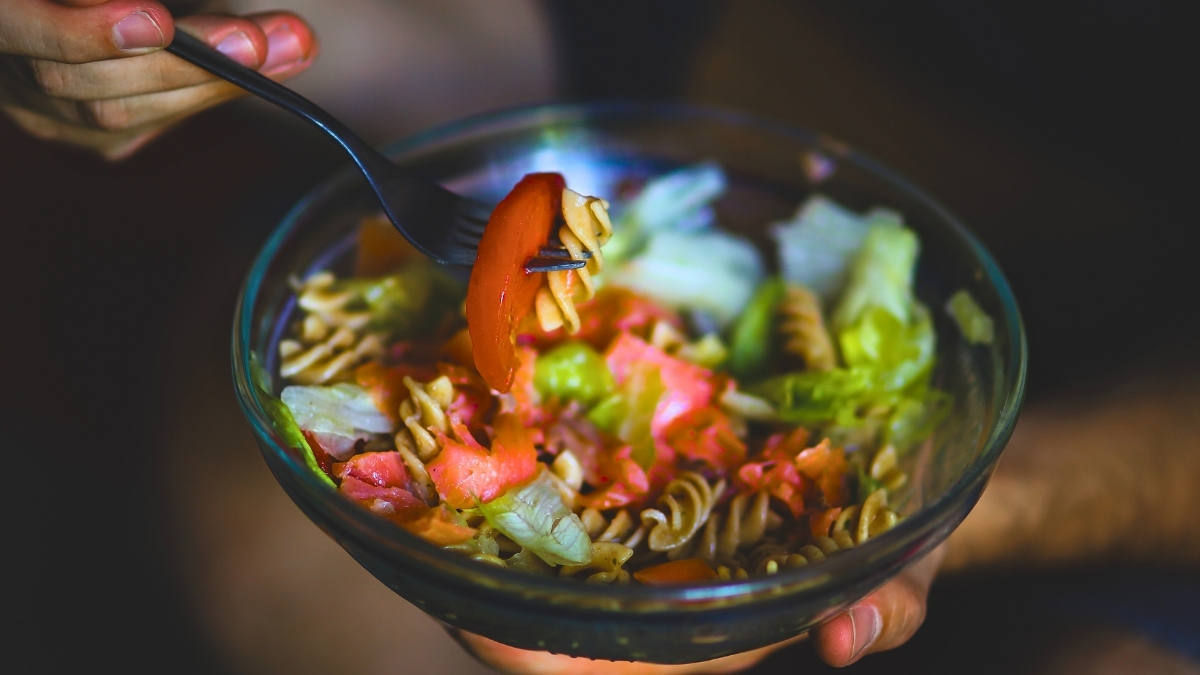
- Switch to whole grains like brown rice and whole wheat pasta instead of refined grains
- Select lean proteins such as skinless poultry, fatty fish (salmon), beans, legumes, and tofu
Make smart swaps:
- Use olive oil instead of butter
- Season with herbs instead of salt
- Drink water instead of sweetened beverages
- Limit processed foods, added sugars, saturated fats, and sodium
Watch portion sizes:
Controlling how much you eat may be as important as what you eat for weight management.
Consider the DASH or Mediterranean diet:
Both eating plans emphasize fresh produce, whole grains, lean proteins, and healthy fats while limiting unhealthy ingredients.
Working with a dietitian who specializes in heart-healthy eating can help you create a personalized plan that fits your needs. They can help you make gradual changes that feel manageable rather than overwhelming.
Remember to discuss any dietary changes with your doctor, especially if you have other health conditions or take medications.
January 14







 Join
Join





 Your Privacy Choices