Where do you start with changing your diet and daily habits when managing high blood pressure and heart disease?
Starting with dietary changes is one of the most impactful steps you can take together. The DASH (Dietary Approaches to Stop Hypertension) diet is scientifically proven to help lower blood pressure and support Show Full Answer
Where do you start with changing your diet and daily habits when managing high blood pressure and heart disease?
Starting with dietary changes is one of the most impactful steps you can take together. The DASH (Dietary Approaches to Stop Hypertension) diet is scientifically proven to help lower blood pressure and support heart health.
Focus on eating:
* More fruits, vegetables, and whole grains
* Lean proteins, especially plant-based options like nuts and legumes, plus fish and seafood
* Foods high in calcium, fiber, magnesium, and potassium
Limit or reduce:
* Salt and sodium
* Saturated fats and trans fats
* Added sugars
* Processed foods
* Red meat
* Alcohol (stick to moderate amounts if you drink)
A MyHeartDiseaseTeam member shared: "I have educated myself on a low saturated fat diet and have altered many of my recipes to reflect that."
Consider working with a dietitian who can create a personalized meal plan for both of your needs. Many members find success using heart-healthy cooking methods like grilling or air frying instead of deep-frying. Beyond diet, incorporate these daily habit changes:
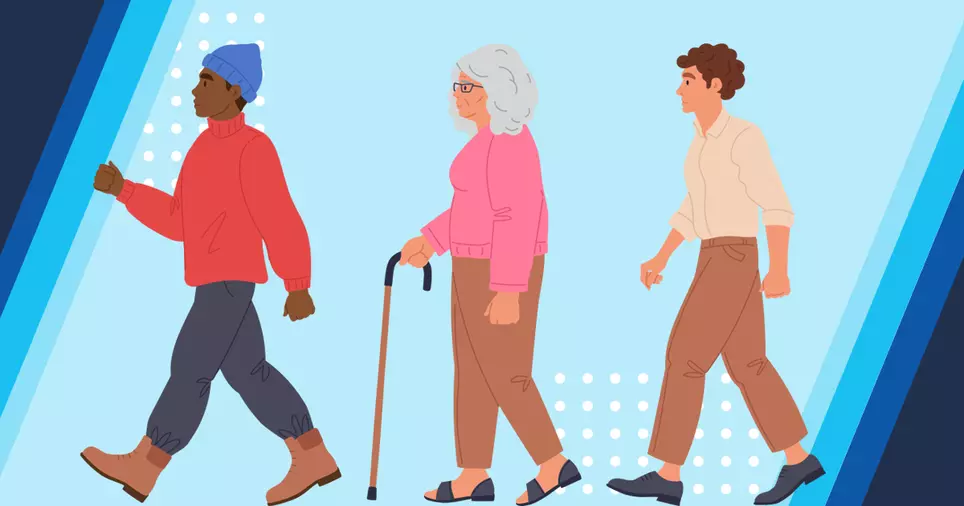
* Aim for at least 150 minutes of moderate-intensity exercise weekly (brisk walking, swimming, or biking)
* Quit smoking if either of you smoke - it directly damages blood vessels
* Get at least seven hours of sleep each night
* Work toward maintaining a healthy weight
* Reduce and manage stress
Start slowly with exercise, especially after a cardiac event. Cardiac rehabilitation programs can provide guidance and support as you build up activity levels.
A MyHeartDiseaseTeam member encouraged: "Some days we get the exercise we need, and some days we just can't for whatever reason. Just don't beat yourself up."
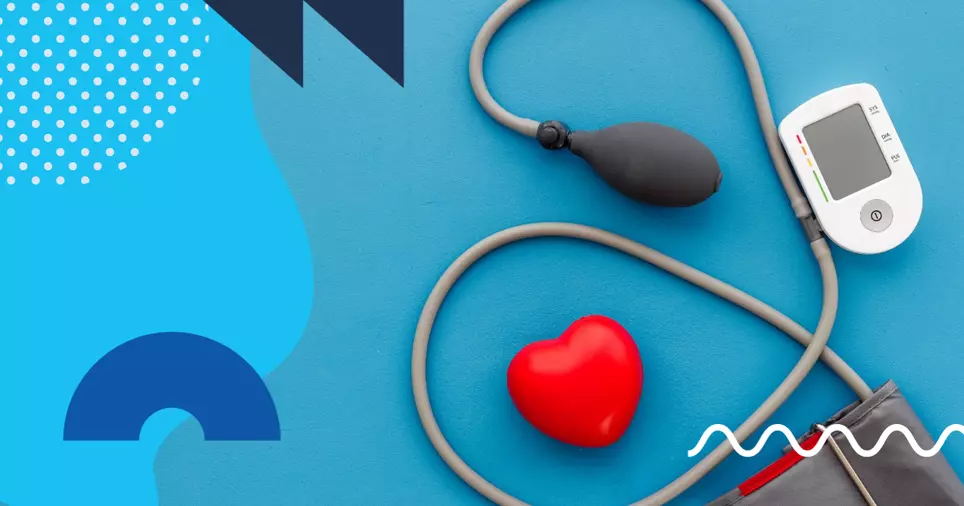
Regular blood pressure monitoring at home is also essential - some insurance companies provide free blood pressure cuffs. Schedule regular checkups so your healthcare provider can monitor progress and adjust medications if needed.
Making these changes together as a couple can provide mutual support and motivation!
October 30, 2025






 Continue with Facebook
Continue with Email

 Join




 Your Privacy Choices