Connect with others who understand.

  • Learn from expert-reviewed resources
  • Real advice from people who’ve been there
  • People who understand what you’re going through
Sign Up Log In
Powered By
Real members of MyHeartDiseaseTeam have posted questions and answers that support our community guidelines, and should not be taken as medical advice. Looking for the latest medically reviewed content by doctors and experts? Visit our resource section.
A MyHeartDiseaseTeam Member asked a question 💭
Hagerstown, MD

https://news.harvard.edu/gazette/story/2026/02/...

American heart health worsening — Harvard Gazette
June 19
 · 
Reactions
MyHeartDiseaseTeam

It sounds like the question is: Is American heart health getting worse, and what does that mean for people living with heart disease?

Unfortunately, the trends aren't great. Nearly half of all U.S. adults — about 48.6% — have some form of cardiovascular disease. That includes coronary heart disease, heart failure, and high Show Full Answer

It sounds like the question is: Is American heart health getting worse, and what does that mean for people living with heart disease?

Unfortunately, the trends aren't great. Nearly half of all U.S. adults — about 48.6% — have some form of cardiovascular disease. That includes coronary heart disease, heart failure, and high blood pressure.

What's particularly concerning is how many people don't even know they're affected. Around 38% of adults with high blood pressure are unaware they have it, which means the condition often goes unmanaged until serious complications arise.

Heart disease remains the leading cause of death in the U.S., responsible for close to 1 million deaths in 2023 alone. The biggest contributors include:

- Coronary artery disease — accounting for 40.3% of cardiovascular deaths
- Stroke — 17.5%
- High blood pressure — 13.4%

The good news is that many prevention and management strategies overlap across these conditions. Keeping blood pressure under control is one of the most powerful things that can be done to reduce risk and slow progression.

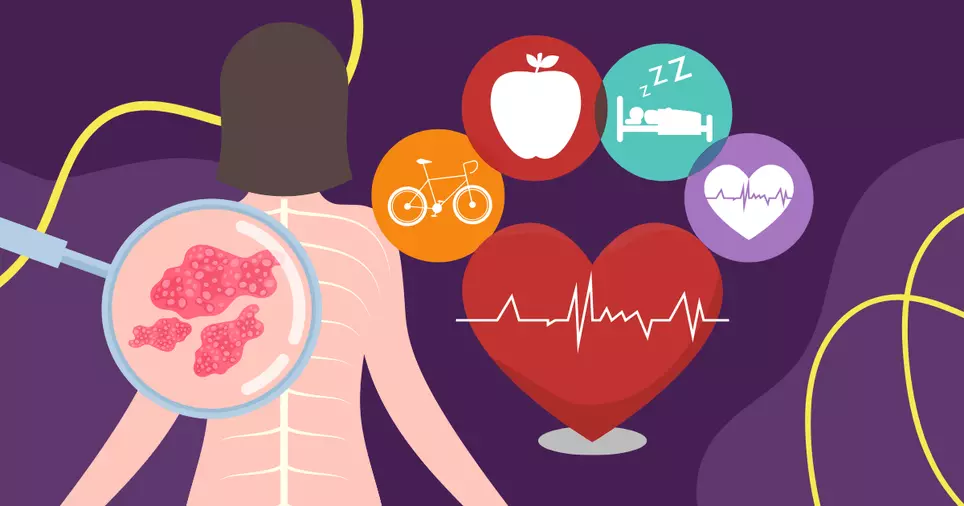
Lifestyle changes that support heart health include eating a heart-healthy diet, staying as active as possible, managing stress, and avoiding tobacco. Working closely with a cardiologist to stay on top of medications and monitoring is also key.

If any new or worsening symptoms appear — like shortness of breath, swelling, unusual fatigue, or chest discomfort — it's important to reach out to a healthcare provider promptly.

June 19
A MyHeartDiseaseTeam Member

Back in 2016 when I had my mild stroke it was a good Thang, because I didn't know I had congestive heart failure, stage 3 kidney disease, I knew about my high blood pressure way back in high school in 1975 but was a teenager and didn't take it seriously and wouldn't take the meds ,you know we kids we going to live forever at 17 or 18 you don't think about being in our 60 's or 70's ,but now here I am 68 & crazy health issues which some could have been avoided if I had taken my meds and not drink & do street drugs according to the doctors, but hey all good still standing tall and got it pumping, I just that God for the stroke which saved my life and got me the help I need for now heart rate still a little low 25 % ,so blessed the stroke didn't take my life ,but gave me a chance for a few more years.💝💝💝💝💝

June 22
A MyHeartDiseaseTeam Member

I believe it’s thing we eat and consume and stress .that are unhealthy for our hearts and body Best bet sticking with a Mediterranean diet eat right for your health deep breathing, walking plenty of water intake no processed foods and fast foods greasy Foods Bad for the Heart ❤️ i add Organic Beetroot 1 capsule daily good for the bloodstream and Heart and other organs

July 10
A MyHeartDiseaseTeam Member

Thanx all for hugs & likes on post.just keep it pumping

June 22
A MyHeartDiseaseTeam Member

Thanks Cliff3,
This article is interesting and very informative information. 💖🙏🏾

June 19

Related Questions

View All