Connect with others who understand.

  • Learn from expert-reviewed resources
  • Real advice from people who’ve been there
  • People who understand what you’re going through
Sign Up Log In
Powered By
Real members of MyHeartDiseaseTeam have posted questions and answers that support our community guidelines, and should not be taken as medical advice. Looking for the latest medically reviewed content by doctors and experts? Visit our resource section.

lbs. anyone have a quicker way to lose weight than intermittent fasting...?? It needs to come off!

August 21, 2025
 · 
Reactions
A MyHeartDiseaseTeam Member

My doctor told me to walk

August 24, 2025
A MyHeartDiseaseTeam Member

Wish I could tell you what to do Patricia. I also have been on a weight gain. My ablation was October 2023 and I weighed 151 pounds. I am up to 163 pounds now and having to buy new clothes. My heart rate at rest is 52 BPM before the ablation and about the same now. So I realize that slower heart rate isn't great fr burning calories, but what else has changed (age???)

August 22, 2025
A MyHeartDiseaseTeam Member

The only way that I have been able to lose and keep weight off is watching my caloric intake and get enough exercise.

August 21, 2025
A MyHeartDiseaseTeam Member

I had to get on a well known Frozen food diet. I followed it so tightly that I have lost overall a total of 65 lb. Now for the last 5 months I am stable. I haven't dropped another ounce! But I still need to lose another 30.

August 21, 2025
MyHeartDiseaseTeam

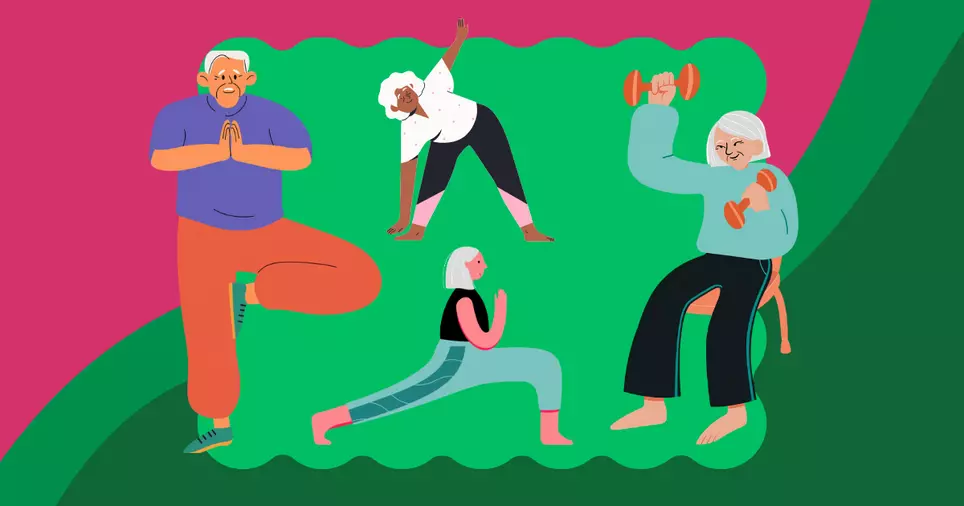
Weight management is an important part of heart health. Here are some safe exercise tips to help with weight loss while managing heart disease:

• Start with low-impact exercises like walking for 15 minutes daily
• Gradually increase activity duration as you feel comfortable
• Always warm up before and cool down after Show Full Answer


Weight management is an important part of heart health. Here are some safe exercise tips to help with weight loss while managing heart disease:

• Start with low-impact exercises like walking for 15 minutes daily
• Gradually increase activity duration as you feel comfortable
• Always warm up before and cool down after exercise
• Stay hydrated during workouts
• Monitor your heart rate and symptoms
• Stop if you experience dizziness, chest pain, or breathing difficulties Consider working with your healthcare team to develop a safe exercise plan. Cardiac rehabilitation programs can be especially helpful - they provide supervised exercise, education and support to help you reach your health goals safely. Remember that slow, steady progress is better than pushing too hard too fast.

For strength training, stick to light weights rather than heavy lifting which can strain your heart. Finding an exercise buddy can help keep you motivated and consistent with your routine.

August 21, 2025

Related Questions

View All
A MyHeartDiseaseTeam Member asked a question 💭
Carson, CA

A MyHeartDiseaseTeam Member asked a question 💭
Toronto, CA

A MyHeartDiseaseTeam Member asked a question 💭
Roswell, GA