
Powered By



 Continue with Facebook
Continue with Email
Continue with Facebook
Continue with Email
Uncontrolled hypertension (high blood pressure) can damage your blood vessels and make your heart work harder over time. It can also cause atherosclerosis, which is plaque buildup in your arteries, raising your risk of heart attack or stroke.
Protecting your heart health starts with understanding how high blood pressure can affect your heart and blood vessels.
Here’s what you need to know about uncontrolled hypertension, including how it affects your heart and when to get medical attention for a hypertensive emergency.
When blood pushes too forcefully against the walls of your arteries, your blood pressure is high, and the condition is called hypertension. When it’s uncontrolled, it can lead to several health problems, including heart attack, stroke, and problems with memory and thinking.
What do doctors mean when they say you have uncontrolled hypertension?
Doctors generally use the term uncontrolled hypertension to describe someone whose blood pressure is still too high, even though they’re being treated for hypertension.
Uncontrolled hypertension is different from resistant hypertension, which has a more specific definition. You may be diagnosed with resistant hypertension if you’re taking three different blood pressure medications and your blood pressure is still too high, or if you have to take four or more medications to control your hypertension.
About 20 percent of people with high blood pressure have resistant hypertension.
 How Does Persistent High Blood Pressure Affect Your Heart?
When your arteries are healthy, their inner walls are smooth. Smooth artery walls help blood flow easily throughout your body and carry oxygen and nutrients to your organs. Healthy blood vessels are also flexible and strong, which helps keep blood flowing normally.
Hypertension damages the walls of your blood vessels. It can narrow your arteries and allow fats to collect in the damaged areas. Over time, this buildup can make your arteries less flexible and reduce blood flow.
High blood pressure can make aneurysms more likely to form. An aneurysm is a bulge in the wall of an artery. Aneurysms often form in the aorta, the body’s largest artery. If one bursts, it can cause internal bleeding.
Uncontrolled high blood pressure can lead to irregular heartbeats, called arrhythmias, as well as an enlarged heart. This extra work can also cause your heart to thicken and get bigger, especially in the left ventricle. When this happens, your risk of heart attack and heart failure rises.
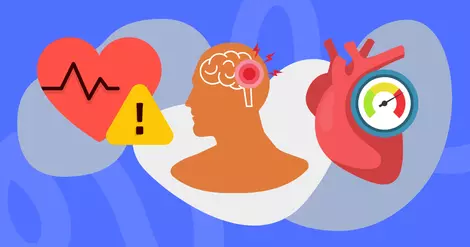
Uncontrolled hypertension can lead to several health issues, including heart attack, stroke, heart failure, chronic kidney disease, and atherosclerosis.
Here’s a closer look at how high blood pressure can cause heart complications:
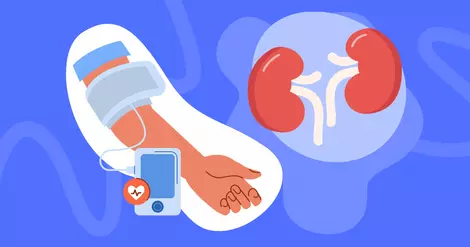
Uncontrolled hypertension can cause other health complications beyond your heart. Possible complications include:

Hypertension is a preventable and treatable risk factor for heart disease and stroke.
The Centers for Disease Control and Prevention (CDC) estimates that better blood pressure control could potentially prevent more than 115,000 deaths from heart and blood vessel disease, more than 91,000 heart attacks, and 139,000 strokes over five years.
Controlling your blood pressure starts with getting regular physicals from a healthcare provider, making recommended lifestyle changes, and staying in touch with your doctor to monitor how your blood pressure treatment plan is working.
Most of the time, hypertension doesn’t come with any symptoms. But if it reaches dangerously high levels, it can cause a hypertensive emergency.
You may be having a hypertensive emergency if your blood pressure is 180/120 mm Hg or higher and you have any of the following symptoms:
If your blood pressure is 180/120 mm Hg or higher and you’re having symptoms, this is a medical emergency, and you need medical attention right away. Call 911 or get to an emergency room.
On MyHeartDiseaseTeam, people share their experiences with heart disease, get advice, and find support from others who understand.
If you have uncontrolled high blood pressure, what have you done to try to lower your blood pressure? Let others know in the comments below.
Get updates directly to your inbox.


 Continue with Facebook
Continue with Email
Continue with Facebook
Continue with Email
Continue with Facebook
Continue with Email
Continue with Facebook
Continue with Email
Become a member to get even more





 Join
Join

 Your Privacy Choices

This is a member-feature!
Sign up for free to view article comments.
Walking everyday lowers my blood pressure along with exercise stretch class two times per week at Senior Center
We'd love to hear from you! Please share your name and email to post and read comments.
You'll also get the latest articles directly to your inbox.