Both extreme heat and cold can put real stress on the heart — and if you already have heart disease, it's especially important to be aware of how weather affects your body.
Cold Weather
When temperatures drop, blood vessels narrow to conserve heat, forcing the heart to work harder to pump blood. This raises both heart Show Full Answer
Both extreme heat and cold can put real stress on the heart — and if you already have heart disease, it's especially important to be aware of how weather affects your body.
Cold Weather
When temperatures drop, blood vessels narrow to conserve heat, forcing the heart to work harder to pump blood. This raises both heart rate and blood pressure. Key risks include:
- Increased risk of heart attack, especially below 32°F
- Chest pain (angina) triggered by cold air
- Extra strain from strenuous activities like shoveling snow
- Accidental hypothermia, which can be life-threatening Hot Weather
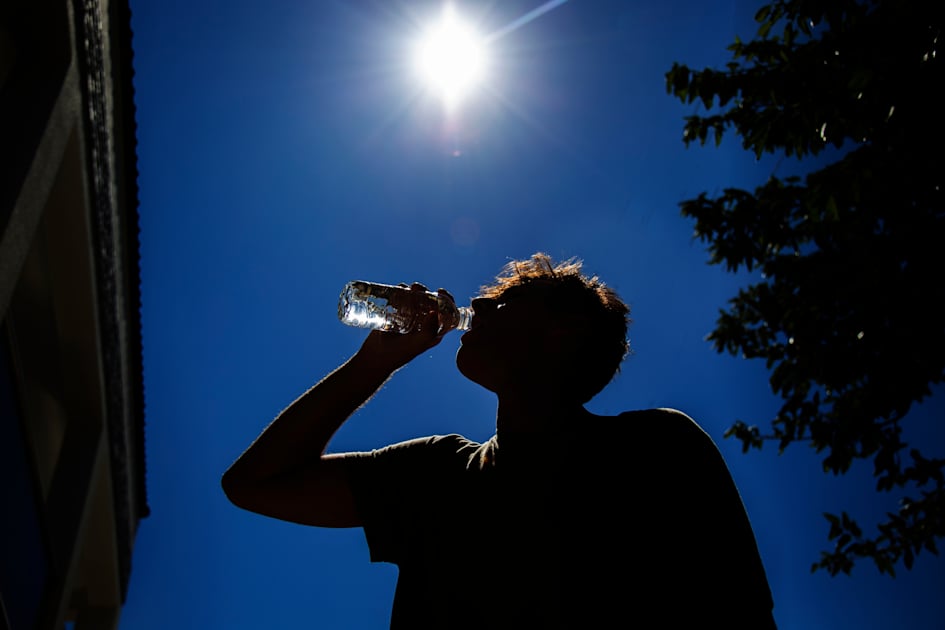
Heat forces the heart to circulate significantly more blood to cool the body — up to 2–4 times more than on a cool day. Risks include:
- Higher chance of irregular heart rhythms (arrhythmias)
- Worsened heart failure symptoms like fatigue and swelling
- Interference with heart medications like beta-blockers and diuretics, which can reduce the body's ability to cool itself naturally Air Pollution
Air pollution is considered one of the world's largest environmental health risks. Breathing polluted air can increase strain on the cardiovascular system, which is particularly concerning for those already managing heart disease.
Practical Tips to Stay Safe
- Dress in warm layers and cover hands, feet, and head in cold weather
- Avoid overexertion in the cold — take frequent breaks
- Stay indoors during extreme heat or high pollution days when possible
- Keep up with medications, even when weather disrupts routines
- Know the warning signs of a heart attack
Always check in with a doctor if there are concerns about how weather may be affecting symptoms.
August 13





 Join
Join





 Your Privacy Choices