How can timing workouts with your natural body clock benefit heart health?
While the specific article you shared isn't in my current resources, the general principle of regular exercise for heart health is well-supported. Exercise helps lower blood pressure, reduce bad cholesterol (LDL), and improve good cholesterol (HDL) Show Full Answer
How can timing workouts with your natural body clock benefit heart health?
While the specific article you shared isn't in my current resources, the general principle of regular exercise for heart health is well-supported. Exercise helps lower blood pressure, reduce bad cholesterol (LDL), and improve good cholesterol (HDL). It also supports maintaining a healthy weight, which is crucial for managing heart disease.
Getting Started with Exercise
Aim for at least 150 minutes of moderate-intensity exercise or 75 minutes of vigorous activity each week. You don't need a gym membership to get moving:
* Walking or cycling for errands
* Taking the stairs
* Dancing in your kitchen
* Swimming leisurely with friends
Even 10 to 15 minutes daily can benefit your heart if you're just starting out. Gradually increase your time as you build stamina.
Important Safety Tips
Before starting any new exercise plan, talk with your doctor or cardiologist. They can help determine what type and amount of activity is safe for your specific condition.
Learn to monitor your target heart rate and watch for warning signs like excessive breathlessness, dizziness, or irregular heartbeat. If these occur, stop and rest with your feet up for 15 minutes.
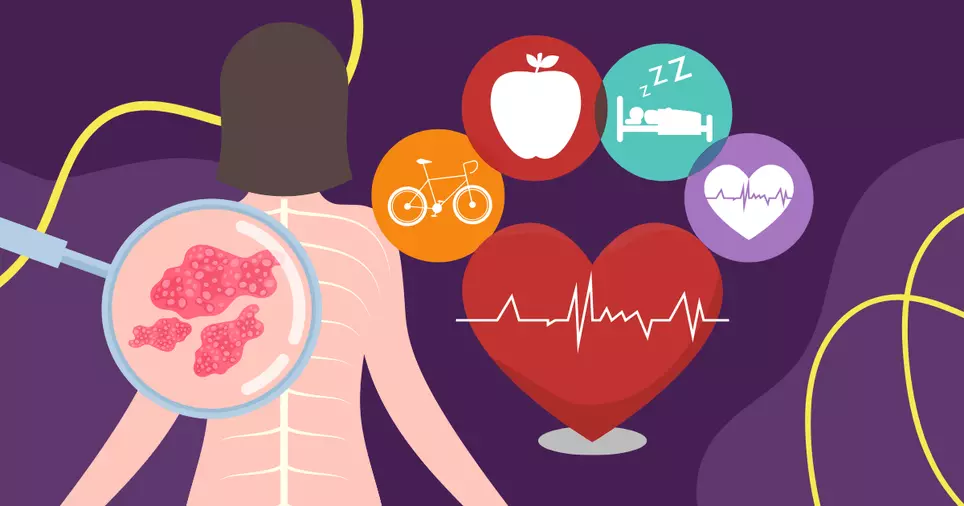
Regular physical activity also reduces stress, improves mood, boosts energy, and promotes better sleep—all supporting your overall heart health.
April 18






 Join
Join





 Your Privacy Choices