Are you experiencing fluid leaking from your legs with congestive heart failure?
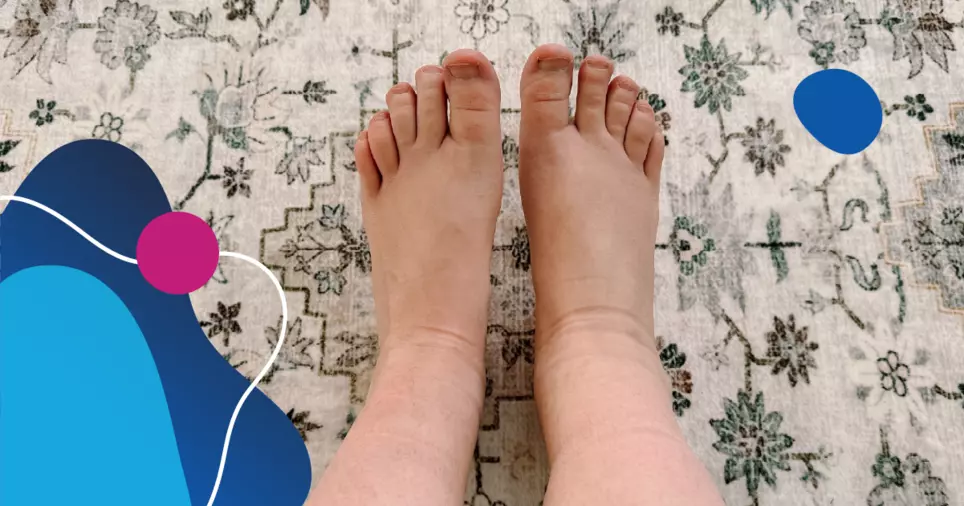
Leaking legs, also called "weepy legs" or lymphorrhea, can happen when peripheral edema (leg swelling) from CHF becomes severe. When too much fluid builds up in your legs, it can break through the skin and leak out.
This needs prompt medical Show Full Answer
Are you experiencing fluid leaking from your legs with congestive heart failure?
Leaking legs, also called "weepy legs" or lymphorrhea, can happen when peripheral edema (leg swelling) from CHF becomes severe. When too much fluid builds up in your legs, it can break through the skin and leak out.
This needs prompt medical attention because untreated leaking legs can lead to:
- Open wounds that don't heal properly
- Cellulitis (a bacterial skin infection that can become serious)
- Further skin damage
A MyHeartDiseaseTeam member shared: "Because of my congestive heart failure, my legs are carrying a lot of fluid, so much so that the fluid has nowhere to go but up through my skin." How to manage swollen legs before they start leaking:
- Elevate your legs above your heart, especially when lying down
- Reduce salt in your diet to lower fluid retention
- Exercise or stay physically active to help pump fluid back toward your heart
- Take diuretics (water pills) as prescribed by your doctor
- Wear compression stockings if your doctor recommends them (not safe for everyone, so ask first)
One member found relief: "Feet elevated and wearing compression socks. Swelling has decreased considerably today."
If your legs are already leaking fluid, contact your doctor right away. Treatment often involves wound care clinics and compression wraps to manage the fluid and protect your skin.
AI-generated responses are not a substitute for medical advice. These services are not intended to
diagnose, treat, or cure any condition or disease. Always ask your doctor about specific health concerns.

Are Leaking Legs a Symptom of Heart Failure?
December 22, 2025







 Join
Join




 Your Privacy Choices