Understanding blood pressure readings is crucial for managing heart health. Here’s a detailed explanation based on the knowledge base:
Blood Pressure Readings
- Systolic Blood Pressure (Top Number):
- Measures the force of blood against artery walls when the heart beats.
- Diastolic Blood Pressure (Bottom Number):
- Show Full Answer
Understanding blood pressure readings is crucial for managing heart health. Here’s a detailed explanation based on the knowledge base:
Blood Pressure Readings:
- Systolic Blood Pressure (Top Number):
- Measures the force of blood against artery walls when the heart beats.
- Diastolic Blood Pressure (Bottom Number):
- Measures the force of blood against artery walls when the heart is at rest between beats.
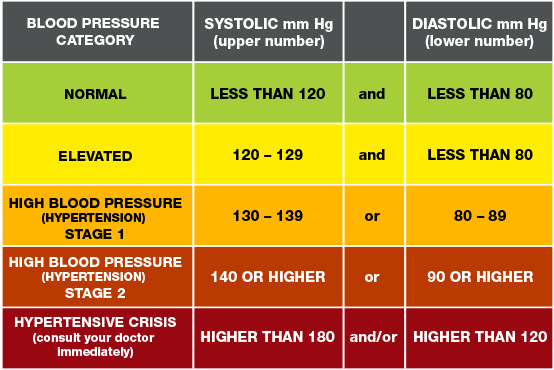
Blood Pressure Categories:
- Normal:
- Systolic: Less than 120 mmHg
- Diastolic: Less than 80 mmHg
- Elevated:
- Systolic: 120-129 mmHg
- Diastolic: Less than 80 mmHg
- Hypertension Stage 1:
- Systolic: 130-139 mmHg
- Diastolic: 80-89 mmHg
- Hypertension Stage 2:
- Systolic: 140 mmHg or higher
- Diastolic: 90 mmHg or higher
- Hypertensive Crisis (Emergency care needed):
- Systolic: Higher than 180 mmHg
- Diastolic: Higher than 120 mmHg
Importance of Monitoring:
- Health Risks:
- High blood pressure can lead to heart disease, heart attack, and stroke.
- It can also damage organs like the brain, eyes, and kidneys.
Managing Blood Pressure:
- Lifestyle Changes:
- Reduce salt intake.
- Exercise regularly.
- Follow a heart-healthy diet.
- Medical Interventions:
- Medications may be prescribed to help control blood pressure.
By understanding and monitoring your blood pressure, you can take proactive steps to maintain heart health and reduce the risk of serious complications.
August 24, 2024





 Join
Join






 Your Privacy Choices