Premature ventricular contractions (PVCs) are extra heartbeats that disrupt the heart's normal rhythm. Treatment depends on how frequent they are, whether they're causing symptoms, and what's driving them.
Here's a general overview of how PVCs are typically managed:
Lifestyle Changes
- Reducing caffeine, alcohol, and Show Full Answer
Premature ventricular contractions (PVCs) are extra heartbeats that disrupt the heart's normal rhythm. Treatment depends on how frequent they are, whether they're causing symptoms, and what's driving them.
Here's a general overview of how PVCs are typically managed:
Lifestyle Changes
- Reducing caffeine, alcohol, and stress
- Improving sleep quality
- Managing weight
- Quitting smoking
Medications
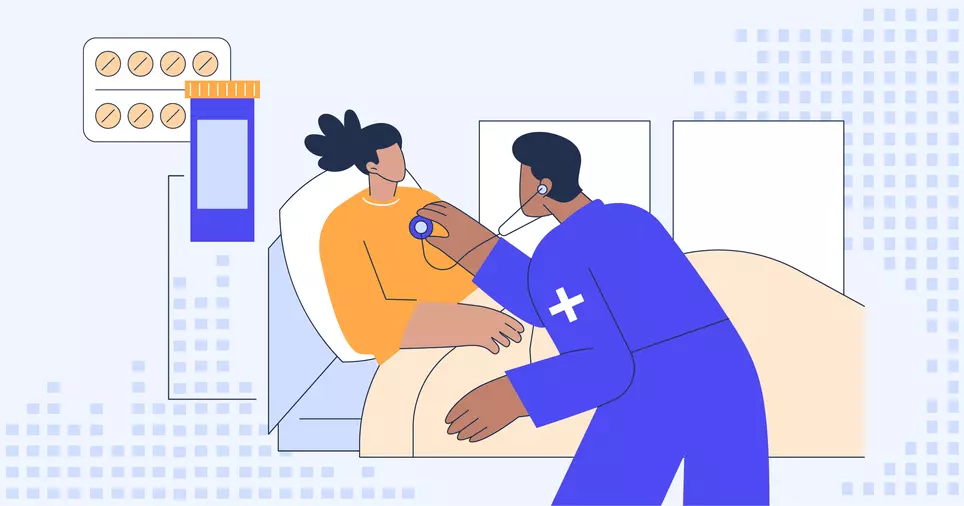
- Beta-blockers are commonly prescribed to help calm the heart's electrical activity and reduce PVC frequency
- Calcium channel blockers may also be used
- Antiarrhythmic medications can be considered in more persistent cases
Procedures
- Catheter ablation is an option for people with frequent or bothersome PVCs that don't respond to medication. A thin tube is guided to the heart and the tissue causing the abnormal signals is targeted, which can provide long-lasting relief
Monitoring
- If PVCs are infrequent and not causing symptoms, a doctor may simply recommend regular monitoring rather than active treatment
It's really important to work closely with a cardiologist to figure out the best approach for your specific situation, since treatment is very individual. Some PVCs are harmless, while others may need closer attention depending on the underlying heart condition.
August 21







 Join
Join




 Your Privacy Choices