
Connect with others who understand.

  • Learn from expert-reviewed resources
  • Real advice from people whoโ€™ve been there
  • People who understand what youโ€™re going through
Sign Up Log In
Powered By
Real members of MyHeartDiseaseTeam have posted questions and answers that support our community guidelines, and should not be taken as medical advice. Looking for the latest medically reviewed content by doctors and experts? Visit our resource section.
A MyHeartDiseaseTeam Member asked a question ๐Ÿ’ญ
Hagerstown, MD

https://newsroom.heart.org/news/global-experts-...
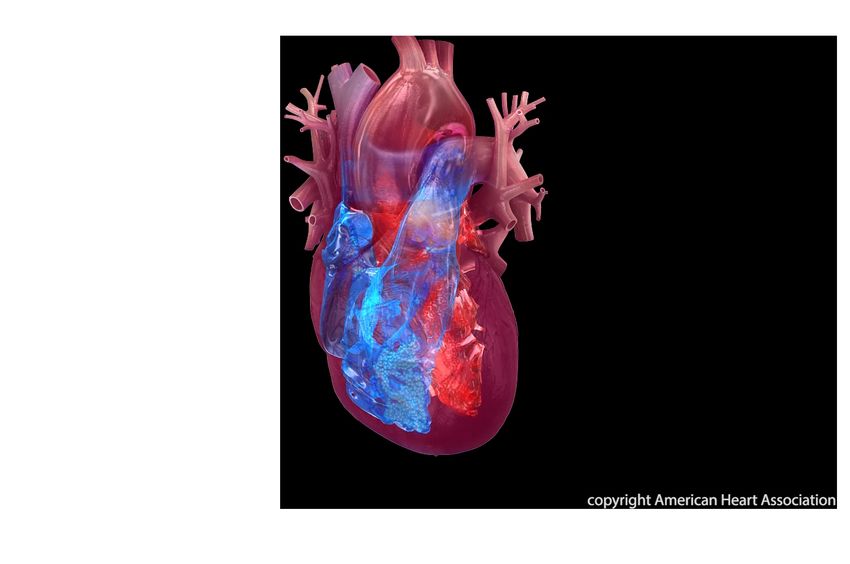
Global experts update heart failure definition to improve prevention, diagnosis and care
August 13
 · 
Reactions
MyHeartDiseaseTeam

Have global experts recently updated the definition, prevention, diagnosis, and care guidelines for heart failure?

Yes! Leading cardiology organizations periodically update their guidelines to reflect the latest research. Here's a snapshot of what current expert consensus looks like:

Definition
Heart failure means the Show Full Answer

Have global experts recently updated the definition, prevention, diagnosis, and care guidelines for heart failure?

Yes! Leading cardiology organizations periodically update their guidelines to reflect the latest research. Here's a snapshot of what current expert consensus looks like:

Definition
Heart failure means the heart is still beating but can't pump enough blood to meet the body's needs. It's not the same as cardiac arrest or a heart attack.

Prevention
Key risk factors to manage include:
- High blood pressure
- Coronary artery disease
- Obesity
- High cholesterol
- Tobacco use

Diagnosis
Doctors classify heart failure by both symptom severity (Class 1โ€“4) and disease stage (Aโ€“D). The higher the number or letter, the more serious the condition.

Types recognized
- Heart failure with reduced ejection fraction (systolic)
- Heart failure with preserved ejection fraction (diastolic)
- Right-sided heart failure
- Congestive heart failure

Care & Treatment
Treatment typically combines medications (like beta-blockers, ACE inhibitors, and diuretics) with lifestyle changes such as:
- Low-sodium diet
- Regular, doctor-approved exercise
- Weight management
- Quitting smoking

Always check with a doctor before making any changes to a treatment plan, as guidelines continue to evolve.

August 13
A MyHeartDiseaseTeam Member

Thanks Cliff3, much appreciated ๐Ÿ’–๐Ÿ™๐Ÿพ

August 13
A MyHeartDiseaseTeam Member

Cliff, this is good news! Thanks for sharing this. The new framework, if you will, seems to make better sense, especially the shift away from such rigid measurement systems and the focus on the early stages of the disease and the realization that the disease changes over time, both for the better and the worse. I think this is good stuff because, as a patient, I would rather focus on what control I have over this (exercise, diet, sleep...) I think focusing on what stage we are in can be helpful, but it can also keep us stuck, especially if we don't realize we can improve things.


August 13

Related Questions

View All
A MyHeartDiseaseTeam Member asked a question ๐Ÿ’ญ
Hagerstown, MD

A MyHeartDiseaseTeam Member asked a question ๐Ÿ’ญ
Honolulu, HI