Connect with others who understand.

  • Learn from expert-reviewed resources
  • Real advice from people who’ve been there
  • People who understand what you’re going through
Sign Up Log In
Powered By

8 Heart Failure Symptoms and Warning Signs

Medically reviewed by Vedran Radonić, M.D., Ph.D.
Updated on August 26, 2026


If you’ve been diagnosed with heart failure, it means your heart isn’t circulating blood as effectively as your body needs. This can happen when conditions such as high blood pressure or a heart attack weaken, damage, or stiffen the heart.

The symptoms of heart failure, sometimes called congestive heart failure, are different for everyone. Some people have mild symptoms or none at all, while others notice symptoms during daily activities or even at rest.

If you’ve been diagnosed with heart failure, it helps to know the symptoms so you can look out for early signs that you may need medical help. If you notice new or worsening symptoms, always tell your doctor.

8 Symptoms of Heart Failure

Many heart failure symptoms develop because your heart isn’t moving enough blood through your body. Blood carries oxygen and nutrients to organs around your body, such as your brain, kidneys, and intestines. With heart failure, your body may not get the oxygen it needs.

At times, people with heart failure may have very mild symptoms or no noticeable symptoms. As heart failure gets worse, you may experience more symptoms, or they may become more severe.

The symptoms of heart failure can be felt throughout the body. (Adobe Stock)


Below are eight symptoms associated with heart failure. These symptoms can also be associated with other forms of heart disease or with causes unrelated to your heart function. Whenever your symptoms change, make sure to talk to your doctor to help you get to the bottom of what’s happening.

Let us know which of these you’ve experienced.

Symptom #1

Shortness of Breath

Dyspnea (shortness of breath) is a common heart failure symptom. It may happen with activity or while resting.

It can occur when the heart can’t… Read more

Dyspnea (shortness of breath) is a common heart failure symptom. It may happen with activity or while resting.

It can occur when the heart can’t keep up with blood returning from the lungs. When blood backs up in the vessels between the lungs and heart, rising pressure can push fluid into the lungs, making breathing harder.

Tell us more.
All updates must be accompanied by text or a picture.

I had a Stent 4 years ago. All my symptoms came back only worse! I still have blocked arteries. The doctors keep telling me that I'm fine. In fact I have stopped doing activities that I used to do… read more

Symptom #2

Coughing

Excess fluid in the lungs can cause a cough that doesn’t go away. You may also notice mucus that has a white or pink hue. If your heart failure… Read more

Excess fluid in the lungs can cause a cough that doesn’t go away. You may also notice mucus that has a white or pink hue. If your heart failure is worsening, you may notice you’re coughing more often.

Tell us more.
All updates must be accompanied by text or a picture.

I have to sleep in an upright position

Symptom #3

Difficulty Lying Flat

When heart failure causes fluid to build up in your lungs, lying down flat can make breathing harder. You may need to prop yourself up with extra… Read more

When heart failure causes fluid to build up in your lungs, lying down flat can make breathing harder. You may need to prop yourself up with extra pillows or sit up to breathe more easily. This is called orthopnea.

If you can’t comfortably lie flat or you suddenly need more pillows than usual, contact your healthcare team promptly.

Tell us more.
All updates must be accompanied by text or a picture.

Can't lie flat without feeling like I cant get a breath

Symptom #4

Swelling

People with heart failure can experience swelling, also known as edema. Fluid buildup is common in the abdomen, legs, ankles, and feet. You may… Read more

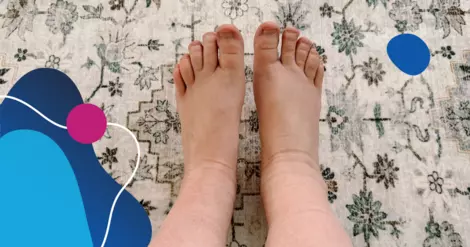
People with heart failure can experience swelling, also known as edema. Fluid buildup is common in the abdomen, legs, ankles, and feet. You may notice visible swelling, tight shoes, or deep sock marks.

When the heart doesn’t move blood forward efficiently, pressure can build in the veins. Fluid can then shift into surrounding tissues and cause swelling.

If you’re living with heart failure, it’s a good idea to weigh yourself every day and write down changes. A weight gain of more than 2 to 3 pounds in 24 hours or 5 pounds in a week is a sign to contact your healthcare team right away.

Tell us more.
All updates must be accompanied by text or a picture.

Horrible swelling and this is forty five minutes after I took my socks off.

Symptom #5

Tiredness

Feeling tired or fatigued, even when you get enough rest, can be a symptom of heart failure. You may also notice it’s harder to do physical… Read more

Feeling tired or fatigued, even when you get enough rest, can be a symptom of heart failure. You may also notice it’s harder to do physical activities, like climbing stairs, going shopping, or walking the dog.

Heart failure may leave your muscles and other tissues with less blood than they need, which can contribute to fatigue. You may also feel tired if symptoms make it hard to sleep.

If your usual activities become harder or you feel tired even after rest, tell your doctor.

Tell us more.
All updates must be accompanied by text or a picture.

Exhausted with simple activities. I have to stop and rest between activities.

Symptom #6

Upset Stomach

Heart failure can affect digestion. Reduced blood flow to the digestive system can contribute to nausea, loss of appetite, or feeling full… Read more

Heart failure can affect digestion. Reduced blood flow to the digestive system can contribute to nausea, loss of appetite, or feeling full quickly.

If you lose your appetite or feel sick to your stomach and this is new for you, contact your healthcare team. These symptoms may mean your heart failure is getting worse.

Tell us more.
All updates must be accompanied by text or a picture.

I get a queasy stomach, especially if I get stressed.

Symptom #7

Confusion

Changes in circulation and blood chemistry can contribute to confusion or memory problems.

These changes can be hard to notice in yourself. Family… Read more

Changes in circulation and blood chemistry can contribute to confusion or memory problems.

These changes can be hard to notice in yourself. Family members and caregivers should watch for new or worsening confusion and report it to your doctor.

Tell us more.
All updates must be accompanied by text or a picture.
Symptom #8

Increased Heart Rate

As your heart tries to compensate for reduced pumping capacity, it may begin beating faster. You may notice palpitations, which can feel as… Read more

As your heart tries to compensate for reduced pumping capacity, it may begin beating faster. You may notice palpitations, which can feel as though your heart is racing or throbbing.

Your healthcare team may ask you to track your heart rate. Call your doctor about new or frequent palpitations, especially if they come with shortness of breath, dizziness, or chest discomfort.

Tell us more.
All updates must be accompanied by text or a picture.

Experienced palpitations with a heart rate of 218, which was life threatening. Drs. advised having a heart ablation, which I had last summer. Since then my heart rate has been stable. So, for me, the… read more

Now it's your turn

What Other Heart Failure Symptoms Have You Experienced?

What other symptoms have affected you?

All updates must be accompanied by text or a picture.
A MyHeartDiseaseTeam Member

I get fatigued when I've past my limits on yard work, 3 mile walks, and a hard work load. I'm 66 with a triple bypass.

We'd love to hear from you! Please share your name and email to post and read comments.

You'll also get the latest articles directly to your inbox.

Subscriber Photo Subscriber Photo Subscriber Photo
449,402 members
This site is protected by reCAPTCHA and the Google Privacy Policy and Terms of Service.
Privacy Policy Terms of Use

Warning Signs of a Heart Failure Emergency

Pay attention to symptoms and sudden changes. Your care team may give you a plan for when to call the office, when to seek urgent care, and when to call 911.

Contact your healthcare team right away if you notice these changes:

  • New or worsening shortness of breath, including shortness of breath at rest
  • More coughing than usual
  • More swelling in your legs, feet, ankles, or belly
  • Trouble sleeping or needing more pillows to breathe
  • A sudden weight gain of more than 2 to 3 pounds in 24 hours or 5 pounds in a week
  • Loss of appetite
  • New or worsening confusion

Call 911 or emergency services right away if you have emergency symptoms:

  • Chest pain
  • Fainting or severe weakness
  • A rapid or irregular heartbeat with shortness of breath, chest pain, or fainting
  • Sudden, severe shortness of breath and coughing up white or pink, foamy mucus

If you notice new or worsening signs of heart failure, you may need changes in your medication or treatment plan. Don’t wait to tell your healthcare team.

 

Share this article
Continue with Facebook
Continue with Google
By joining, you accept our Terms of Use, and acknowledge our collection, sharing, and use of your data in accordance with our Health Data and Privacy policies.
Already a member? Log In
See answer