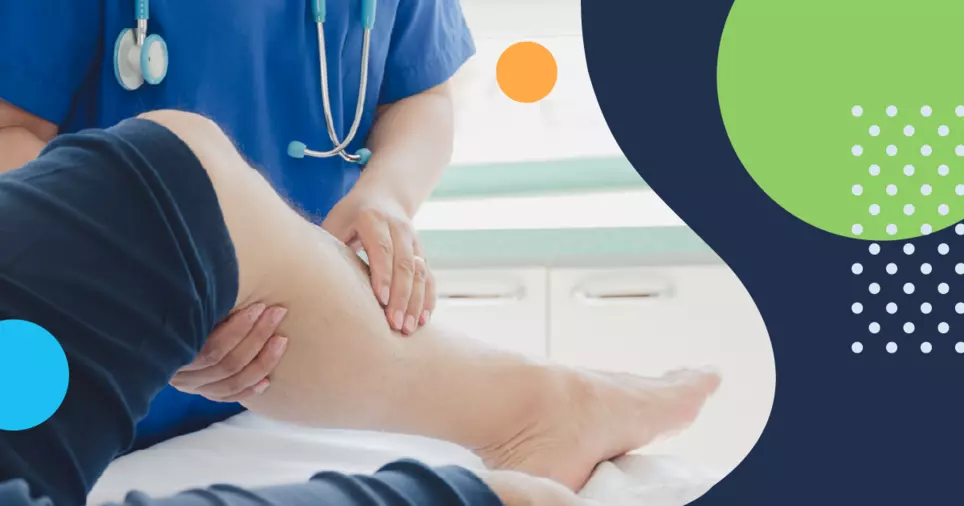
Getting a correct diagnosis after a year is a big step forward, and it's completely understandable to feel worried about what PAD could mean for your legs. The honest answer is: it depends on the severity of your condition, but there are real risks to be aware of.
In more advanced cases, reduced blood flow to the legs can Show Full Answer
Getting a correct diagnosis after a year is a big step forward, and it's completely understandable to feel worried about what PAD could mean for your legs. The honest answer is: it depends on the severity of your condition, but there are real risks to be aware of.
In more advanced cases, reduced blood flow to the legs can lead to serious complications, including:
- Critical limb ischemia – ongoing leg pain even at rest, plus slow-healing sores or infections
- Acute limb ischemia – a sudden loss of feeling, movement, or color in a foot (this is a medical emergency — call 911 immediately if this happens)
- Gangrene – tissue death in severe cases, which in the worst situations can require amputation The good news is that catching it and treating it — even now — can make a real difference. Treatment options include lifestyle changes, medications, and in more severe cases, surgical procedures to restore blood flow.
Key things to watch for and report to your doctor right away:
- Sores on your legs or feet that are slow to heal
- Sudden paleness, blueness, or coldness in one foot compared to the other
- Numbness or inability to move your foot
Staying on top of your care and working closely with your doctor gives the best chance of protecting your legs. Don't hesitate to ask your doctor directly about the current severity of your PAD — that will give the clearest picture of your personal risk.
AI-generated responses are not a substitute for medical advice. These services are not intended to
diagnose, treat, or cure any condition or disease. Always ask your doctor about specific health concerns.

Peripheral Artery Disease: Symptoms and Treatment
September 25








 Join



 Your Privacy Choices