Connect with others who understand.

  • Learn from expert-reviewed resources
  • Real advice from people who’ve been there
  • People who understand what you’re going through
Sign Up Log In
Powered By
Real members of MyHeartDiseaseTeam have posted questions and answers that support our community guidelines, and should not be taken as medical advice. Looking for the latest medically reviewed content by doctors and experts? Visit our resource section.
A MyHeartDiseaseTeam Member asked a question 💭
Hagerstown, MD

A proper balance is best.

https://neurosciencenews.com/low-sodium-anxiety...
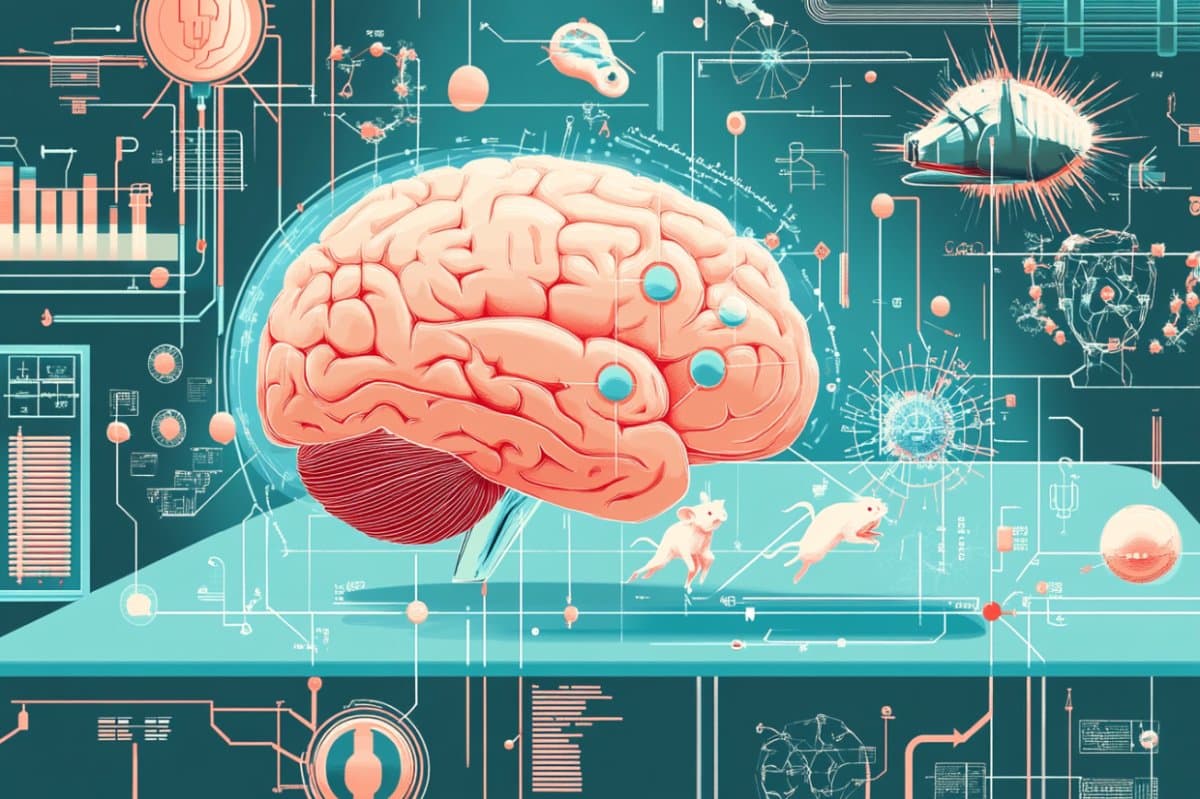
Low Sodium Linked to Anxiety Through Brain Chemistry Disruption - Neuroscience News
June 18, 2025
 · 
Reactions
A MyHeartDiseaseTeam Member

Tip for men over 60 ... put a taste of mineral salt on your tongue before bed .to avoid bathroom trips.

June 20, 2025
A MyHeartDiseaseTeam Member

I believe in archiving balance then evaluating and adjusting to maintain.

-Here's why electrolytes are important for water absorption:
Osmosis:
Electrolytes, particularly sodium, act like a magnet, drawing water into cells through osmosis. This process ensures that water is effectively absorbed and retained within the body, rather than being quickly eliminated through urine.

Maintaining Fluid Balance:
Electrolytes help maintain the proper balance of fluids inside and outside of cells, which is essential for various bodily functions, including nerve and muscle function, blood pressure regulation, and nutrient absorption.
Preventing Dehydration:

When you lose electrolytes through sweat or other means, it can lead to dehydration, even if you're drinking enough water. Electrolyte replacement helps ensure that the water you consume is properly absorbed and utilized by your body. -

June 18, 2025
A MyHeartDiseaseTeam Member

Cliff,
Catch-22 isn't it. You want to watch your sodium intake due to blood pressure but if you go to low??? then you get anxiety which can cause issues as well. Tracking your potassium and ensuring you get the rda and then increasing sodium intake won't be so bad. Gosh, you are sending me back to the 60's when I took Chemistry class and learned all about minerals, etc.

June 18, 2025
MyHeartDiseaseTeam

How does anxiety affect heart health, particularly in relation to atrial fibrillation (AFib)?

Anxiety can trigger several physiological responses that impact heart health, including:
- Increased heart rate
- Higher blood pressure
- Faster breathing
- Blood vessel changes in arms and legs

These changes occur due to the Show Full Answer

How does anxiety affect heart health, particularly in relation to atrial fibrillation (AFib)?

Anxiety can trigger several physiological responses that impact heart health, including:
- Increased heart rate
- Higher blood pressure
- Faster breathing
- Blood vessel changes in arms and legs

These changes occur due to the body's "fight-or-flight" response, which is triggered by the sympathetic nervous system during periods of anxiety. While research on the direct relationship between anxiety and heart conditions like AFib shows mixed results, studies indicate that anxiety may influence both the development and management of heart conditions. Common symptoms that overlap between anxiety and heart conditions include:

- Rapid heartbeat
- Heart palpitations
- Shortness of breath
- Chest pain

It's important to discuss both physical and emotional symptoms with your healthcare provider to ensure proper diagnosis and treatment.

June 18, 2025

Related Questions

View All
A MyHeartDiseaseTeam Member asked a question 💭
Hagerstown, MD

A MyHeartDiseaseTeam Member asked a question 💭
Hagerstown, MD

A MyHeartDiseaseTeam Member asked a question 💭
Honolulu, HI