
Connect with others who understand.

  •   Learn from expert-reviewed resources
  •   Real advice from people who’ve been there
  •   People who understand what you’re going through
Sign Up Log In
Powered By
Real members of MyHeartDiseaseTeam have posted questions and answers that support our community guidelines, and should not be taken as medical advice. Looking for the latest medically reviewed content by doctors and experts? Visit our resource section.
A MyHeartDiseaseTeam Member asked a question πŸ’­
Roswell, GA

I got this in my inbox today as part of the heart valve surgery.com newsletter and wanted to share it with anyone who has questions about TAVR. https://www.heart-valve-surgery.com/learning/5-...
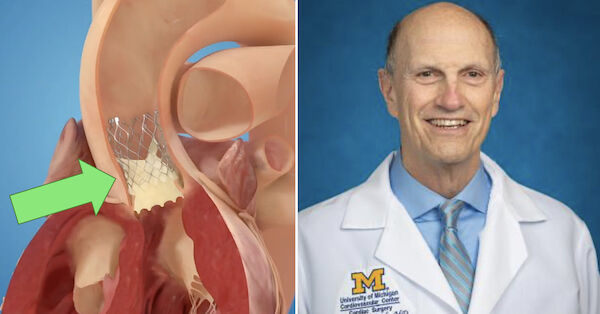
Doctor Q&A: 5 Must-Know Facts About TAVR for Aortic Valve Patients
July 12, 2024
 · 
Reactions
A MyHeartDiseaseTeam Member

This is where I will be getting my heart valve surgery, is at the University of Michigan. It's a 3 hour one way drive for me.

July 12, 2024
A MyHeartDiseaseTeam Member

Good Choice & Good Luck! . I had mine done at Cleveland Clinic. I was living in Georgia at the time. Recovered with family in Michigan. We all owe to ourselves to get the finest treatment possible.

July 12, 2024
A MyHeartDiseaseTeam Member

Thanks for sharing!

July 12, 2024
A MyHeartDiseaseTeam Member

While this is not an issue for me I am Sooo Grateful that You share everything that you get your hands on!

July 12, 2024
MyHeartDiseaseTeam

Here are 5 must-know facts about TAVR (Transcatheter Aortic Valve Replacement) for aortic valve patients:

1. Minimally Invasive: TAVR is a less invasive alternative to open-heart surgery. It involves inserting a new valve via a catheter, typically through the femoral artery in the leg.

2. FDA Approval: Initially approved Show Full Answer

Here are 5 must-know facts about TAVR (Transcatheter Aortic Valve Replacement) for aortic valve patients:

1. Minimally Invasive: TAVR is a less invasive alternative to open-heart surgery. It involves inserting a new valve via a catheter, typically through the femoral artery in the leg.

2. FDA Approval: Initially approved for high-risk patients, the FDA has expanded TAVR's use to include those at low risk for complications from open-heart surgery.

3. Recovery Time: Many patients can leave the hospital within a day of the procedure, though some may need a longer recovery period.

4. Risks and Complications: Potential risks include damage to the heart requiring a pacemaker, stroke, heart attack, bleeding, and kidney injury.

5. Long-Term Outcomes: Studies show that TAVR has similar outcomes to open-heart surgery for low-risk patients, with a low incidence of needing another valve intervention within 10 years.

For more details, visit the [TAVR for Heart Disease](https://www.MyHeartDiseaseTeam.com/treatments/tavr) page.

July 12, 2024

Related Questions

View All
A MyHeartDiseaseTeam Member asked a question πŸ’­
Algonquin, IL

A MyHeartDiseaseTeam Member asked a question πŸ’­
Los Angeles, CA

Continue with Facebook
Continue with Google
By joining, you accept our Terms of Use, and acknowledge our collection, sharing, and use of your data in accordance with our Health Data and Privacy policies.
Already a member? Log In